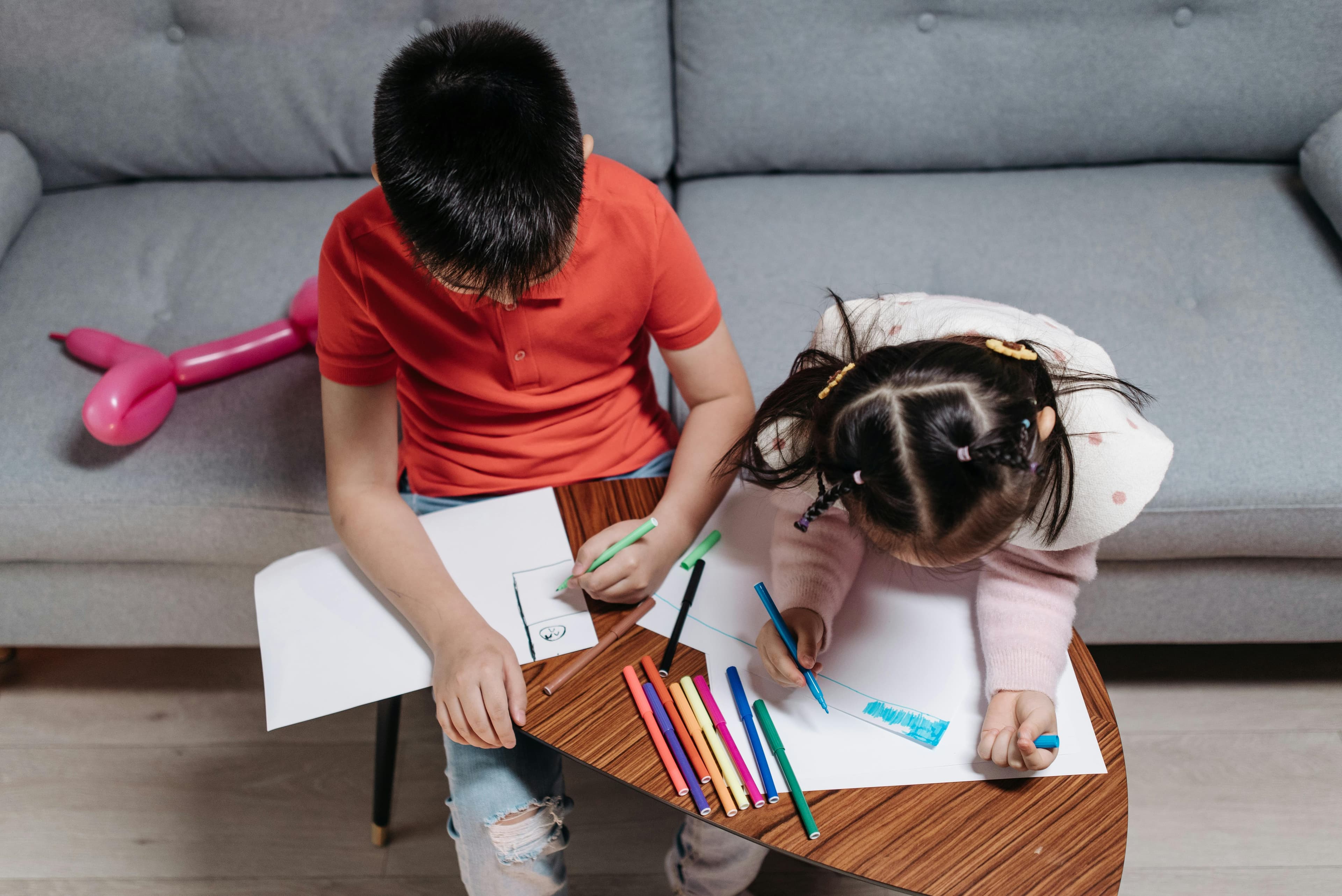
Colouring for Kids: The Complete Guide
Colouring is one of the most underrated activities in a child's development. Here is everything you need to know — from why it matters, to what to buy, to how to choose a colouring book children actually use.
Pick up any early years development guide and you will find colouring listed as a recommended activity for children from around age two onwards. Yet most parents think of it as something to keep kids quiet, rather than a genuinely powerful developmental tool. This guide covers everything: what colouring actually does for children at different ages, how to choose the right supplies and books, the most common reasons children disengage — and how to solve them — and when a standard colouring book is worth upgrading to something more personalised.
What colouring actually is (and why it is not just keeping kids quiet)
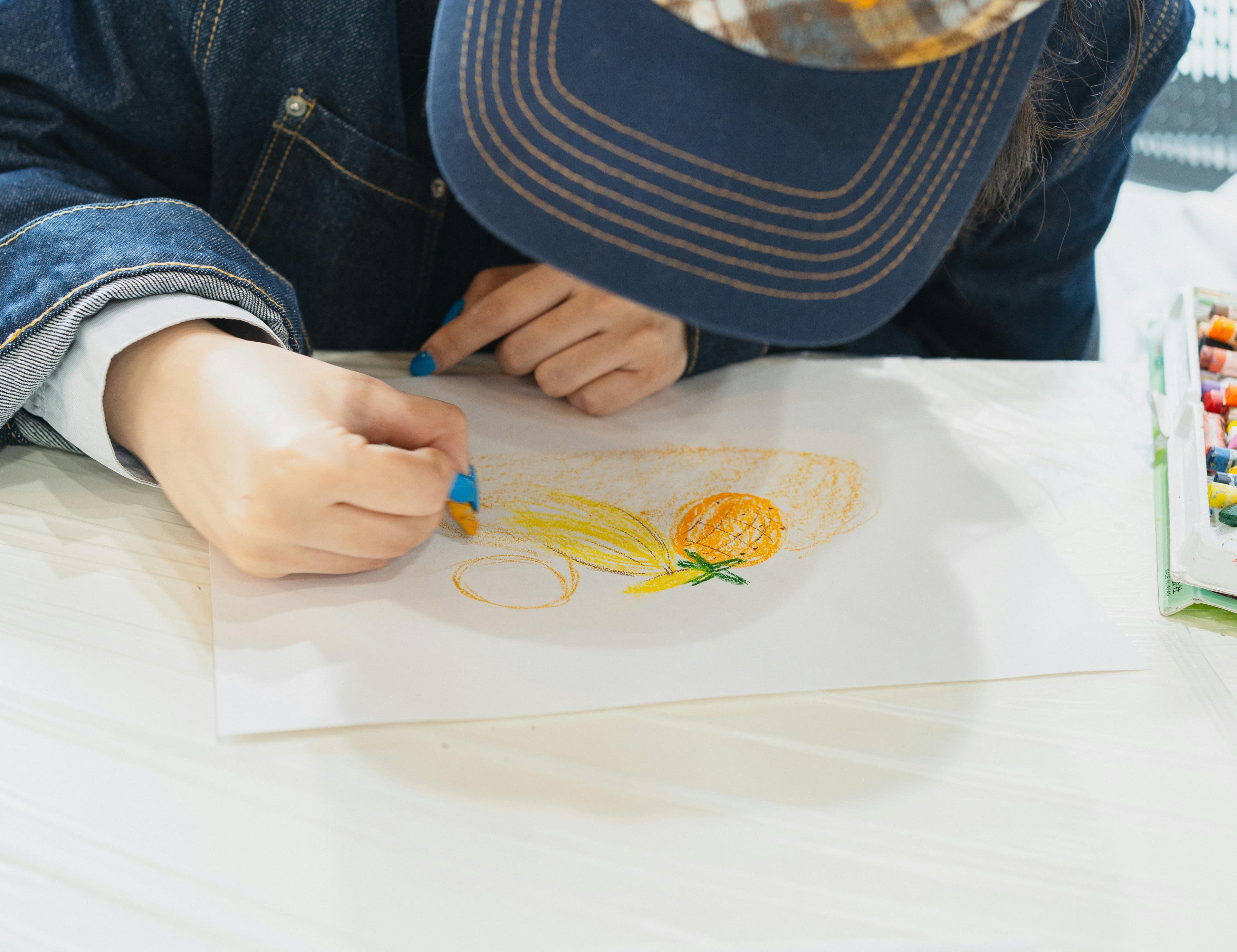
Colouring is a structured creative activity that combines fine motor control, decision-making, and self-expression. Unlike free drawing, colouring provides a framework — the outline is already there — which lowers the barrier to entry for children who are not yet confident artists, while still giving them full creative control over their colour choices. That structure is what makes it developmentally distinct from scribbling, and much more accessible for young children than blank-page drawing.
For very young children, the act of holding a crayon and applying colour to a page builds the hand-eye coordination and grip strength that will later be required for writing. For older children, sustained colouring sessions develop concentration, patience, and the ability to work on something over time — qualities that transfer directly to academic tasks. Far from being a passive activity, colouring actively builds the foundation for both creative and cognitive development.
Why colouring is good for kids: the developmental benefits
The research on colouring and child development is consistent and well-established. Occupational therapists and early years specialists recommend it because it simultaneously addresses multiple developmental areas — rare in a single, low-cost activity. For a fuller overview of how colouring supports children across different ages and stages, see our complete guide to colouring for kids.
Colouring also sits naturally within broader calm-down routines and home learning activities. For a gift-led version of that same idea, see how personalised colouring books for kids can make creative time feel more engaging and personal.
- Fine motor development: gripping and controlling a pencil or crayon builds the small muscles in the hands and fingers that children need for writing, fastening buttons, and countless daily tasks.
- Hand-eye coordination: staying within lines — even imperfectly — trains the brain to translate visual information into precise physical movement.
- Concentration and focus: completing even a single colouring page requires sustained attention. Regular colouring measurably extends the ability to focus on a single task — a skill increasingly at risk in a high-stimulation, screen-heavy environment.
- Colour recognition and vocabulary: choosing and naming colours builds early language and categorisation skills that support broader cognitive development.
- Creativity and self-expression: even within a fixed outline, colour choices are entirely the child's own. A purple sky and a green sun are perfectly valid. This autonomy within structure is a powerful early lesson in self-expression.
- Emotional regulation and calm: colouring has a meditative quality for children who are over-stimulated or emotionally activated. The repetitive, focused movement can help regulate mood — a natural screen-free way to wind down.
- Confidence and accomplishment: finishing a page and feeling proud of it is a simple but genuine confidence-builder, especially for children who struggle with less tangible forms of achievement.
Colouring by age: what to expect at each stage
One of the most common mistakes parents make is giving children colouring books that are wrong for their developmental stage. Too complex and colouring becomes frustrating. Too simple and it is instantly boring. Here is what to expect — and what to provide — at each age.
Ages 2–3: The scribbling phase
Children at this stage are not trying to stay within lines — and they should not be expected to. Their marks are experimental, and their grip is still developing. The goal is simply to enjoy colour and mark-making. Thick, chunky crayons are ideal — they are easier to hold and harder to break. Large, simple shapes with very bold outlines are the right level of colouring book. Anything more complex will be coloured over regardless, so simplicity is a feature rather than a limitation.
Ages 4–5: Beginning to develop control
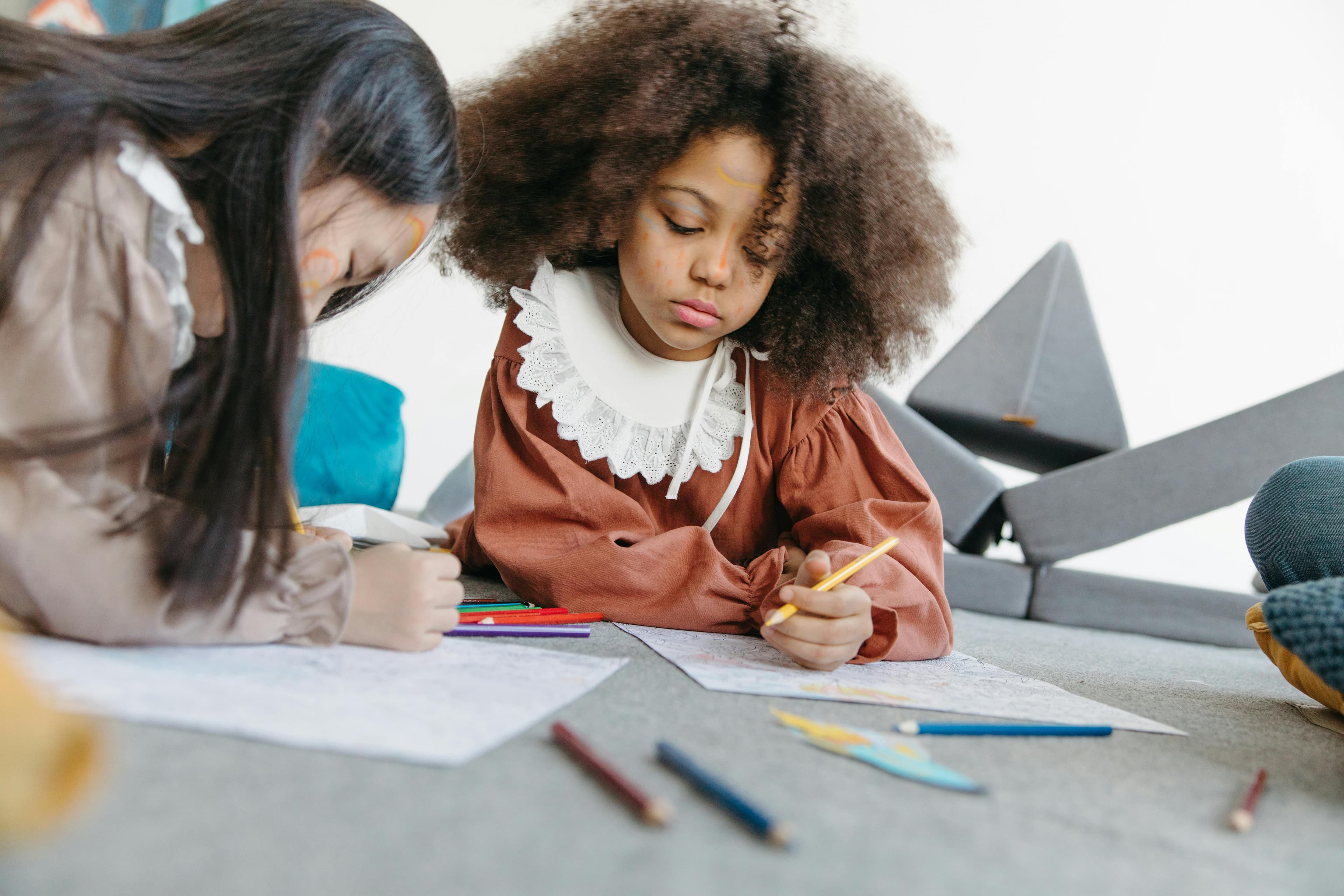
This is when colouring starts to become purposeful. Children at this stage genuinely try to colour within lines, are aware when they go outside them, and begin to care about their choices. They respond strongly to characters and themes they love — which is why character-themed colouring books and personalised books work so well at this age. Fine motor development is accelerating, and colouring several times a week makes a measurable difference to grip strength and line control. Felt-tip markers and standard-thickness crayons both work well here.
Ages 6–8: The age of detail
By age 6, most children can handle more complex colouring pages — with more intricate scenes, smaller areas, and greater detail. They are also more invested in the finished result and more likely to spend extended time on a single page. Coloured pencils become genuinely engaging at this stage, as children can blend colours, shade areas, and work with greater precision than felt tips allow. A themed book with characters or a narrative the child cares about will see strong engagement — a child who loves the subject will return to the same book again and again over weeks.
Ages 9 and above: Growing sophistication
Older children who continue colouring tend to gravitate towards more detailed and challenging books — intricate patterns, nature illustrations, and complex scenes. Coloured pencils are typically the tool of choice at this age, and the patience required for detailed work transfers well to other skill-building activities. Some children at this stage discover mandala or pattern colouring as a relaxing, almost meditative practice, and there is good evidence to support colouring as a stress-reduction tool in this age group.
Common problems — and how to solve them
Despite the benefits, many parents find it genuinely difficult to get children consistently engaged with colouring. The most common complaints are almost always solvable — usually by changing the approach rather than the activity itself.
The most common problems are boredom, short attention spans, low motivation, and choosing screens instead. In practice, those issues are usually solved by better materials, shorter sessions, and a book or theme the child genuinely cares about.
"My child loses interest after two minutes"
Short attention spans are normal, but they are often made worse by the wrong materials or the wrong book. A colouring book that does not feature anything the child cares about, combined with crayons that produce faint waxy marks, is a recipe for disengagement. The solution is usually high-quality, vibrant materials plus a subject the child is actively excited about. For many children, a book that features them transforms the experience completely. That is one reason personalised colouring books for kids can hold attention so much better than generic books.
"They always choose screens instead"
This is one of the most common parenting challenges of the current era, and colouring is one of the better screen-free alternatives — but only if it is set up to compete. Passive colouring books left on a shelf rarely win against an iPad. Active engagement helps: sitting with your child while they colour, putting on music or an audiobook in the background, and making the colouring station an inviting dedicated space. Personal relevance helps too, which is why personalised colouring books for kids can be especially effective as a screen-free activity.
"They will not sit still at all"
For highly active children, the key is session length rather than engagement quality. A five-minute colouring session is a genuine success. Trying to extend it beyond the child's natural attention span almost always backfires and puts them off the activity entirely. Short, frequent sessions — perhaps as part of a wind-down routine before meals or bed — build the habit without forcing sustained stillness that some children genuinely cannot manage at younger ages.
How to set up a colouring station at home
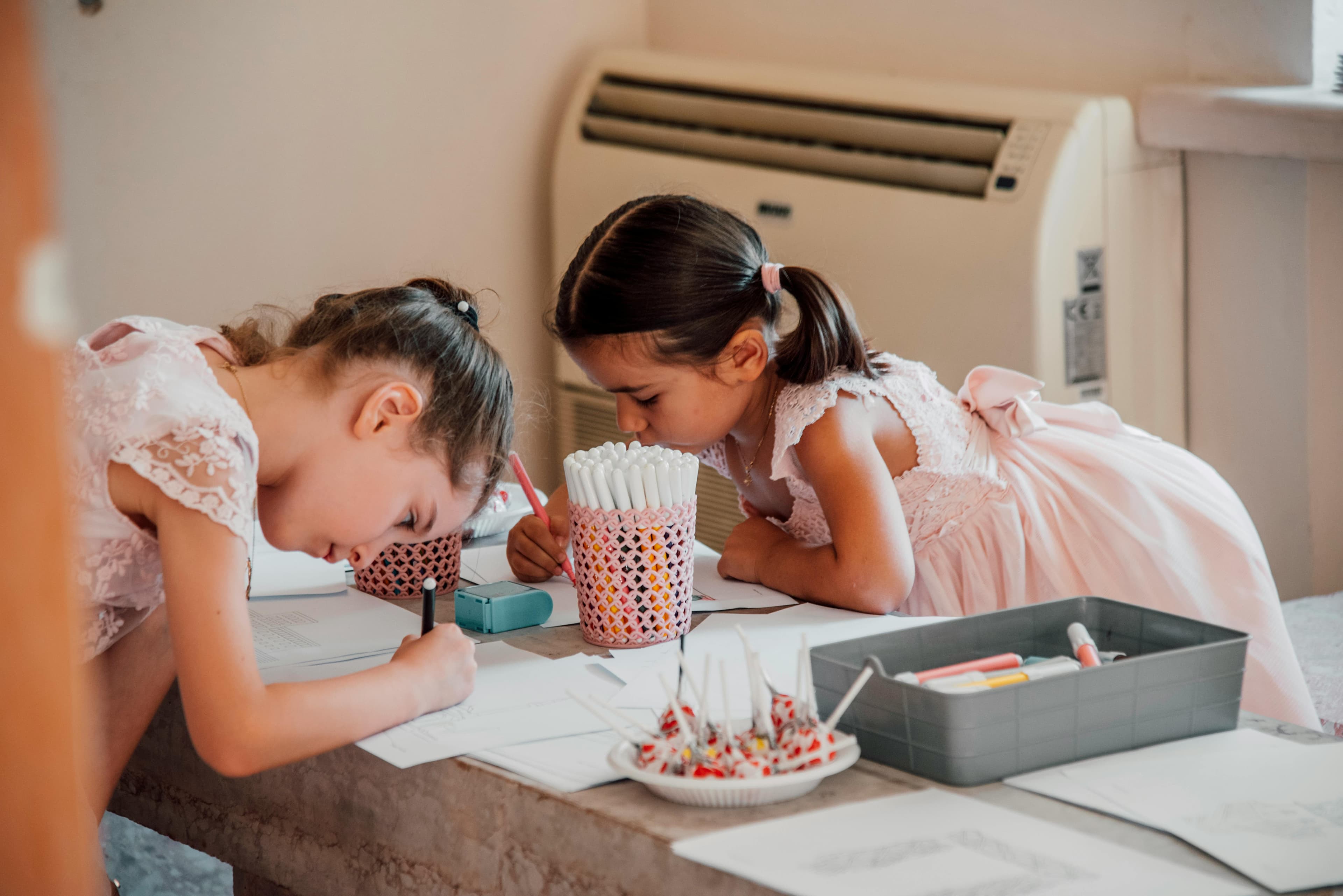
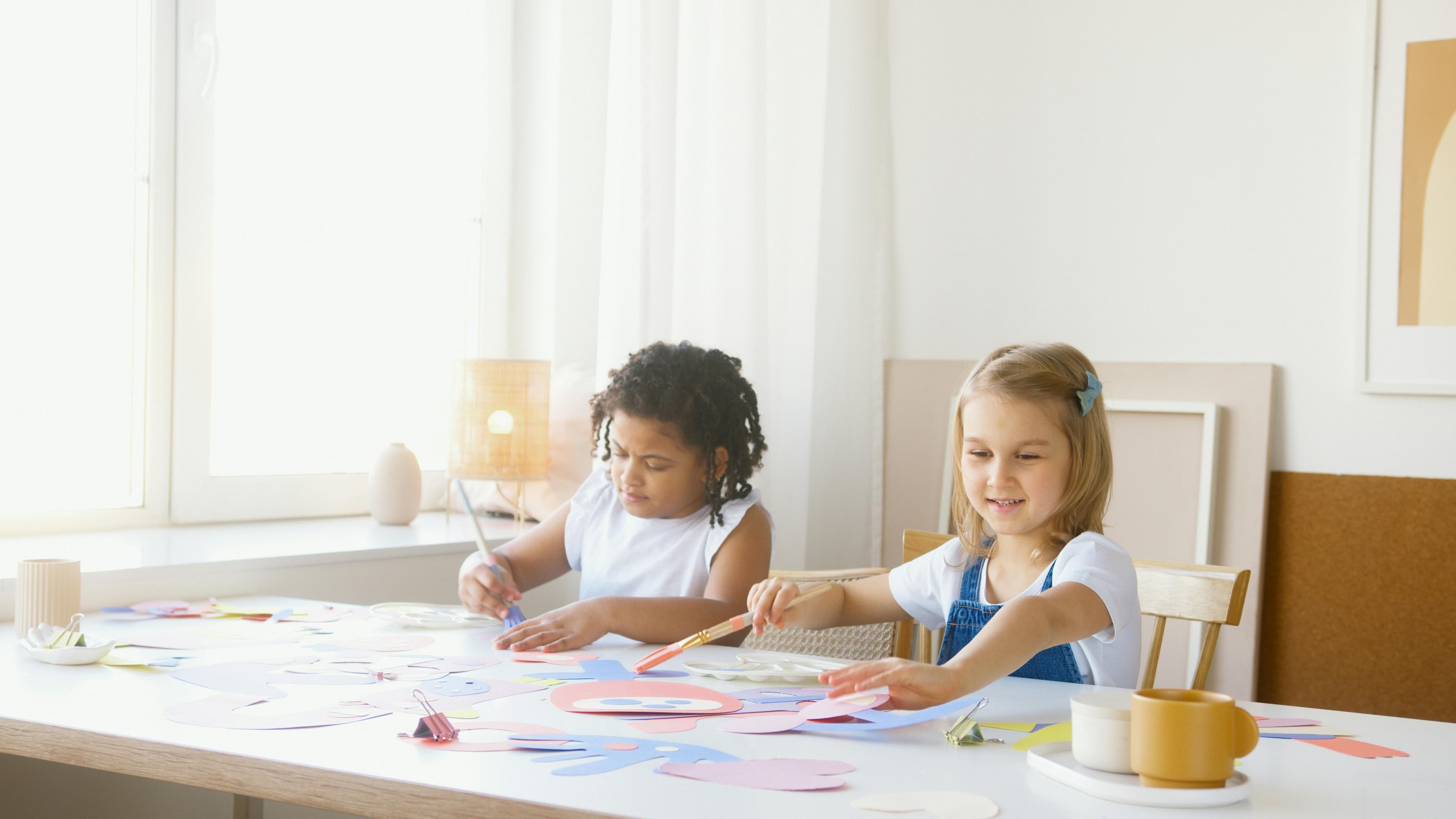
The environment matters more than most parents realise. A dedicated colouring space with good lighting, supplies ready to hand, and a comfortable seat removes almost all the friction between a child deciding to colour and actually starting. If a child has to ask where their pencils are, root through a drawer, and find their colouring book under a pile of other things, many will simply give up before they begin. Low friction is the goal.
- Good natural or lamp lighting — dark or uneven lighting makes colouring harder and more tiring
- Supplies stored together in a visible, accessible container the child can reach independently
- A flat, stable surface — ideally at a height where the elbow rests comfortably
- A small current selection of colouring books rather than a huge overwhelming pile
- Occasional new additions — a fresh set of pencils or a new book resets engagement
What to buy: colouring supplies by age
The right supplies make a significant difference to how much children enjoy colouring and what they are able to produce. Here is a practical guide to what to buy at each stage.
Crayons (ages 2–5)
Crayons are the natural starting point for young children. Thick, triangular-grip crayons are ideal for ages 2–3, as they are difficult to break and easier for immature grips to hold. Standard crayons are fine from age 3 upwards. Look for strong, vibrant colour payoff — cheap crayons that produce faint, waxy marks are genuinely demotivating. Washable is a sensible choice for under-5s.
Felt-tip markers and fibre tips (ages 4–8)
Felt tips produce the most satisfying, vibrant results of all colouring tools — which is why most children gravitate towards them. The trade-off is bleed-through on thin paper, so book quality matters. Washable felt tips (Crayola Supertips are a near-universal favourite) are a good default. Avoid ultra-fine tips for children under 6, as the precision required becomes frustrating. Dual-tip markers with a broad and fine end are excellent value for older children who want variety.
Coloured pencils (ages 6 and above)
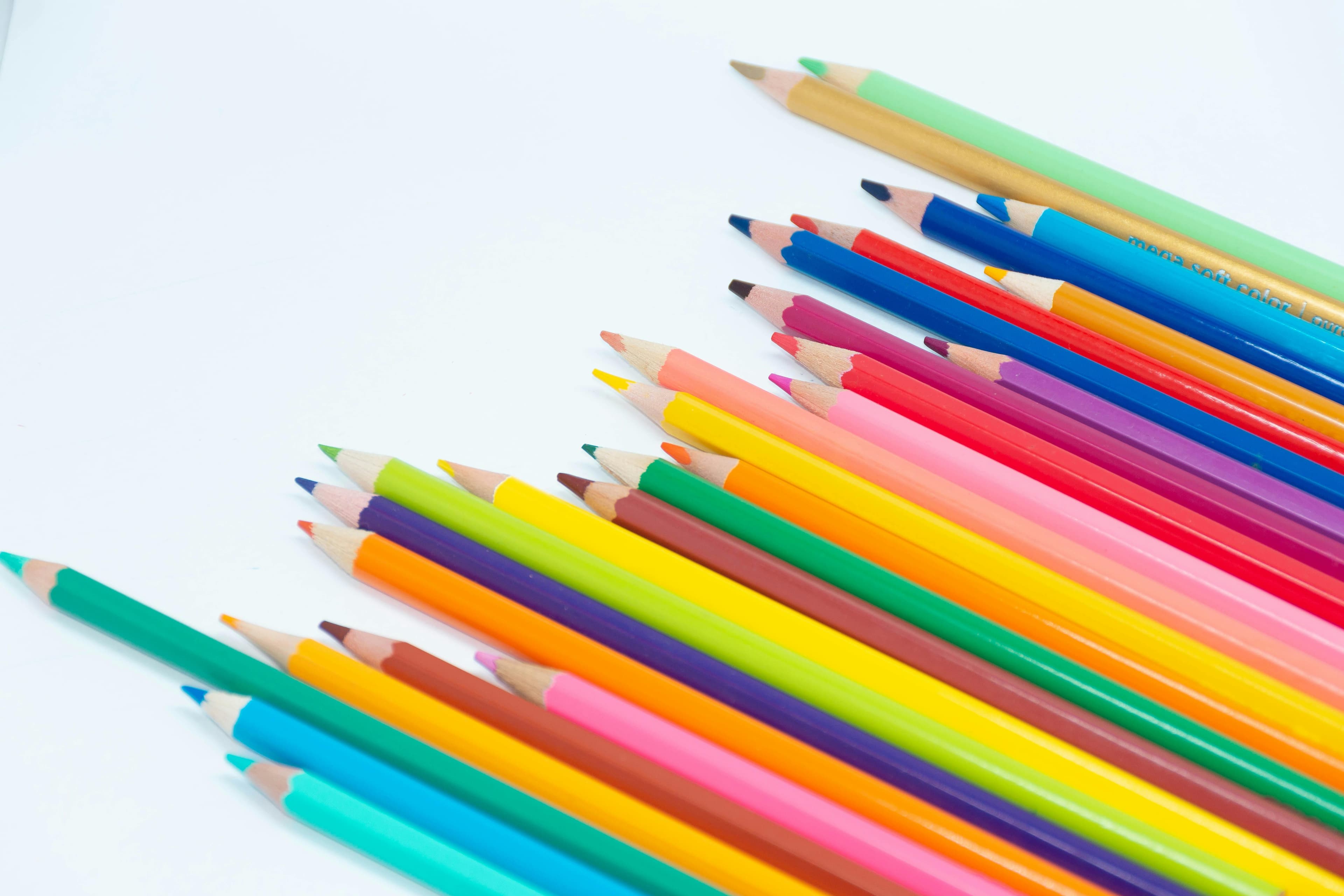
Coloured pencils offer a level of control, blending, and subtlety that crayons and felt tips cannot match. For children who have developed real fine motor control, they unlock a much more sophisticated finished result. Faber-Castell and Staedtler are well-regarded choices that balance quality and price. For children just moving from crayons, standard Crayola or Staedtler pencils are a good entry point. Pencil quality matters significantly — cheap pencils that snap easily or produce uneven colour will undo the benefits of the upgrade.
Watercolour pencils (ages 8 and above)
Watercolour pencils can be used dry as standard coloured pencils or activated with a wet brush for a painted effect. For children who are ready for a new challenge, they offer a genuinely exciting step up. The technique requires a bit of practice, but the results are dramatic and children take real pride in the more grown-up finish.
How to choose the right colouring book
The colouring book itself is often the most overlooked part of the equation. Parents pick up whatever is on the supermarket shelf and wonder why their child loses interest after three pages. The right book — for the right child, at the right age — makes a genuinely significant difference to engagement and completion.
Free printable colouring pages are a useful supplement — especially for children going through a phase with a specific character or theme — but they rarely replace a physical book. The tactile experience of a proper bound colouring book, the sense of ownership, and the satisfaction of filling page after page all contribute to engagement in ways that loose printed sheets do not replicate. We offer free printable pages across the most popular themes: Free Unicorn Colouring Pages, Free Dinosaur Colouring Pages, Free Space Colouring Pages, Free Princess Colouring Pages, and Free Superhero Colouring Pages.
- Line complexity must match the child's age and fine motor development: bold, simple outlines for under-7s; more detail for ages 8 and up.
- Paper weight matters. Thin paper tears easily and bleeds badly with felt tips. Aim for 120gsm or above for felt-tip use.
- Variety of scenes: a book with 20 similar compositions will be abandoned faster than one with genuine variety.
- Theme and character: a child who loves space will use a space-themed book significantly more than a generic one.
- Page count: a 20+ scene book represents genuine value; a 10-page book will be finished in one sitting.
Personalised colouring books: the option that changes everything
For most children, the single biggest factor in how much they use a colouring book is how much they care about what is on the page. Generic colouring books are fine. Themed books are better. But a colouring book where the child themselves is the illustrated hero of every single scene is a fundamentally different category of engagement.
Personalised colouring books that generate an illustration from the child's own photos — placing their actual likeness into every scene — consistently produce the kind of reaction parents describe as genuinely magical. Not just the moment of unwrapping, but sustained engagement over days and weeks. Children return to these books repeatedly, show them to everyone they know, and treat them as a genuinely special possession rather than another activity book.
Magic Moon Books creates personalised colouring books from your uploaded photos. You choose a theme (Space Mission, Animal Adventure, Magical Adventure, or Birthday Celebration), upload 3–5 photos, enter your child's name and age, and preview the complete book before paying. Every scene features an illustrated character generated from your photos. Line complexity is automatically calibrated to age — simpler bold lines for under-7, more detailed illustration for 8 and up. Books are printed and dispatched within 3–5 working days. See the full guide to personalised colouring books for kids for everything you need to know before buying.
If you want the most tailored option — a truly one-of-a-kind book made exclusively for your child — explore our bespoke colouring books.
Frequently asked questions
At what age should children start colouring?+
Children can start interacting with crayons from around 18 months, though purposeful mark-making typically develops between ages 2 and 3. By age 3–4, most children are ready for simple colouring books with bold outlines. There is no wrong time to start — the activity simply evolves as fine motor skills develop.
Is colouring good for child development?+
Yes. Colouring supports fine motor development, hand-eye coordination, concentration, colour recognition, creativity, and emotional regulation. It is one of the few single activities that addresses multiple developmental areas simultaneously, which is why early years specialists and occupational therapists consistently recommend it.
What is the best colouring tool for young children?+
For children aged 2–4, thick triangular crayons are ideal — they are designed for immature grips and are harder to break. From age 4–5, washable felt-tip markers (like Crayola Supertips) are a popular upgrade. Coloured pencils work well from age 6, when children have developed enough fine motor control to use them effectively.
How do I get my child interested in colouring?+
The most reliable approach is finding a book that features a character or theme the child genuinely cares about. Beyond that: sit with them rather than just handing them the book, use high-quality supplies that produce satisfying colour, and keep initial sessions short. Five minutes of genuine enthusiasm is more valuable than 20 minutes of reluctant colouring.
What makes a colouring book good quality?+
The main quality indicators are: paper weight (120gsm or above for felt-tip use), line clarity (clean, confident outlines with no muddy areas), line complexity appropriate to age, genuine variety of scenes, and a theme the child cares about. Cheap colouring books often fail on paper and line quality — both of which make colouring frustrating rather than enjoyable.
What is the difference between a generic and a personalised colouring book?+
A generic colouring book has pre-drawn characters that are the same for every child. A name-on-cover personalised book adds the child's name to a generic product. A photo-based personalised colouring book — like those made by Magic Moon Books — generates an illustration from your child's actual photos, placing them as the character in every scene. Children engage significantly more with photo-based personalised books: sessions are longer and children return to the book repeatedly.
Can colouring help reduce screen time?+
Colouring is one of the most effective screen-free alternatives for children because it is engaging enough to genuinely compete with passive screen time when properly set up. The key factors are: a dedicated colouring space with supplies ready to use, a book the child cares about, and short sessions that do not push past their natural attention span. A personalised colouring book featuring the child themselves tends to be particularly effective at drawing children away from screens.
How many pages should a colouring book have?+
For most children aged 4–8, a 20–40 page colouring book offers the right balance of variety and value. A book with fewer than 15 scenes will be finished in a handful of sessions. A book with 40+ scenes gives children something to return to over weeks and months — especially if they are invested in the character or theme on every page.
Create a personalised colouring book from £18.99
Your child as the star. Printed and delivered. Digital PDF included.
Start My Book