

Why Your Child Hates Colouring (And What to Try Instead, Based on Their Age and Temperament)
Learn how to get kids interested in colouring with our guide that explores the root causes of resistance and provides solutions tailored to your child's age and temperament.
Quick Summary
Many children resist colouring because of developmental stages, sensory preferences, confidence barriers, or boredom—not defiance. To get them interested, identify your child's specific resistance pattern and offer age-appropriate alternatives that address the root cause rather than forcing traditional approaches.
Why Some Children Resist Colouring (It's Usually Not What Parents Think)
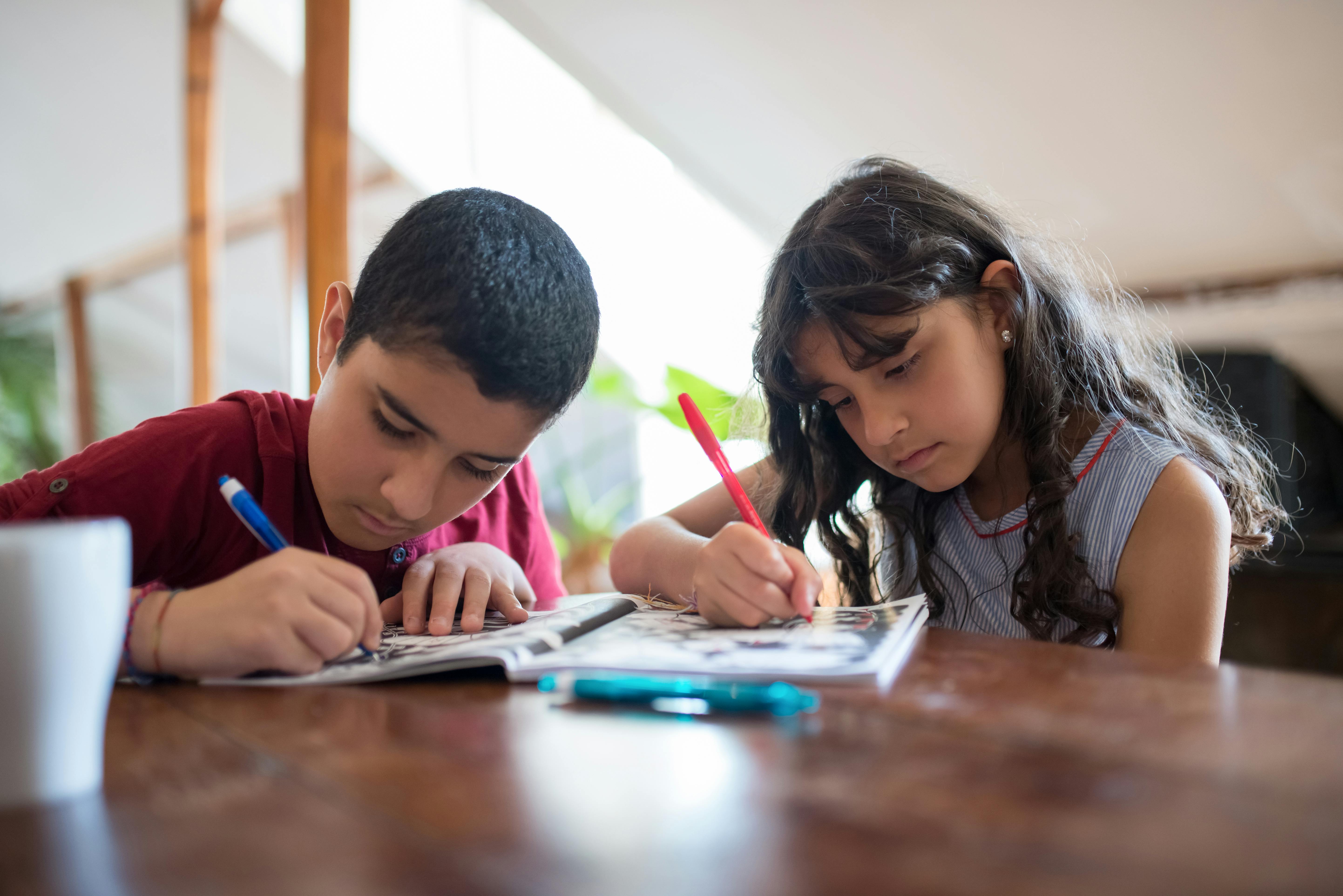
If you've watched other children happily colouring while yours pushes crayons away, you're not alone. Many parents feel frustrated when their child shows no interest in what seems like a simple, enjoyable activity. Parents often assume their child is being difficult or just hasn’t had enough exposure to colouring.
The reality is more nuanced: children resist colouring for specific, valid reasons unrelated to stubbornness. These typically fall into four categories: developmental readiness, sensory processing differences, confidence barriers, and genuine disinterest in the format.
Instead of cycling through random tips and tricks, understanding your child's specific resistance pattern leads to more effective solutions. This diagnostic approach helps you work with your child's natural development rather than against it.
The Four Root Causes of Colouring Resistance
Developmental Readiness Mismatches
Some children simply aren't developmentally ready for traditional colouring demands. Research on fine motor development shows that the precise grip control and hand-eye coordination required to stay within lines develops gradually in early childhood. A child whose fine motor skills haven't reached that stage will find colouring more frustrating than fun.
Additionally, recent studies demonstrate that colouring also relies on visual processing, motor planning, and sustained attention—abilities that mature at different rates. Pushing colouring before these foundations are secure often backfires.
Sensory Processing Preferences
Many children have sensory preferences that make traditional crayons and paper uncomfortable. Some find the texture of paper scratchy or the pressure needed for crayon marks unpleasant; others feel overwhelmed by the visual complexity of detailed colouring pages.
NHS guidance on sensory sensitivities explains these aren’t preferences children can simply overcome—they’re neurological differences in how sensory input is processed. A child who finds traditional colouring sensory-aversive needs modifications, not encouragement to push through discomfort.
Confidence Barriers
Perfectionist children often avoid colouring because they’re afraid of making mistakes. When colouring is framed with “right” and “wrong” rules—such as staying within lines or using realistic colours—some kids opt out entirely rather than risk doing it incorrectly.
This barrier is common in children praised primarily for accuracy in other activities. They’ve learned that adult approval depends on precise performance, making open-ended colouring feel risky.
Interest Disconnection
Some children find traditional colouring genuinely boring. Research shows that increased screen time is affecting children’s engagement with hands-on activities, as digital entertainment provides instant feedback and changing stimuli that static colouring pages can’t match.
For others, colouring lacks a sense of purpose or narrative connection. They may be more drawn to activities that tell stories, solve problems, or create something functional rather than purely decorative.
Age-by-Age Colouring Milestones: What's Actually Realistic
Ages 2-3: Foundation Building
Children develop basic grips and learn to make intentional marks. It’s unrealistic to expect them to colour within the lines or finish detailed pictures. Large, sweeping strokes and occasional paper tearing from too much pressure are normal.
Success looks like: scribbling purposefully, switching hands for comfort, and focusing on making marks rather than specific images.
Ages 4-5: Emerging Control
At four and five, kids begin refining the fine motor control needed for simple line following and basic shapes. Still, their attention spans for detailed work remain short. They often benefit from developmentally appropriate creative gifts that match their emerging skills.
Success looks like: staying within broad boundaries, completing simple pictures, and showing preferences for certain colours or themes.
Ages 6-7: Refined Skills
By six or seven, most children can tackle more detailed colouring and sustain attention for longer periods. Yet fine motor development and sensory tolerance still vary widely.
Success looks like: applying appropriate pressure, planning colour combinations, and working independently for 15–20 minutes.
Red Flags vs Normal Variation
Concern is warranted if a child consistently avoids mark-making activities, shows extreme distress with writing tools, or has significant delays across multiple fine motor tasks. However, preferring large movements over small details, needing frequent breaks, or having strong sensory preferences are all within normal variation.
Matching Solutions to Your Child's Resistance Pattern
For Fine Motor Delays
Focus on building foundational skills through play. Offer chunky crayons, easy-flow markers, or finger paints that don't require a precise grip. Consider vertical surfaces—like easels or windows—that support developing shoulder stability.
Incorporate sensory play to strengthen little hands: playdough, clay, or finger exercises disguised as games. The goal is to build the underlying skills that make colouring comfortable, not to force colouring practice.
For Sensory Sensitivities
Experiment with different tools and surfaces: gel crayons, smooth-flow markers, textured paper, sandpaper with chalk, or contained finger paints.
Environmental tweaks matter too. Some children need quiet, others prefer background music. Lighting, seating position, and even temperature can affect sensory comfort during creative activities.
For Confidence Issues
Remove all performance pressure. Try collaborative colouring—take turns adding to the same picture—or process-focused activities like colour mixing with no predetermined outcome.
Emphasize exploration over accuracy: ask “What happens when you use this colour here?” instead of praising “Good job staying in the lines.” This shifts the focus from correctness to curiosity.
For Boredom or Digital Preference
Bridge screen interests to hands-on art by choosing colouring pages featuring your child’s favorite characters or games. Create purpose by making colouring part of a bigger project: designing greeting cards, illustrating stories, or planning decorations.
Match their attention span with short, focused sessions rather than extended colouring time.
Beyond Paper and Crayons: Sensory-Rich Alternatives That Work
Water-Based Activities
Bath crayons transform colouring into a full-body sensory experience: children draw on tub walls, wash away mistakes instantly, and enjoy the warm, wet environment many find calming. Shower crayons offer the same benefits for those who prefer standing activities.
Textured Surfaces
Sand trays, salt boxes, or finger painting let children make marks without precise tool control. These activities build hand–eye coordination like traditional colouring while providing richer sensory input.
Stamp and Dot Tools
Dot markers and stamps deliver satisfying, instant results without the sustained pressure or fine control of traditional colouring tools. Children can create complex images through simple pressing motions.
Large-Scale Options
Sidewalk chalk, wall-mounted paper rolls, and outdoor water painting with large brushes appeal to children who enjoy big movements and visible results. These activities build arm and shoulder strength, supporting later fine motor development.
Environmental Game-Changers: Where and How Colouring Happens
Vertical Surfaces
Working on easels, taped wallpaper, or even windows (with washable markers) can change a child’s relationship with mark-making. Vertical work builds core strength and feels more dynamic than table activities.
Unconventional Spaces
Some children focus better in small spaces. Try colouring under tables, in blanket forts, or in cozy corners. These environments can reduce sensory overwhelm and help children who find open spaces distracting focus.
Outdoor Extensions
Whenever possible, take colouring outside. Natural light, fresh air, and the freedom to move can transform the experience for children who feel constrained by indoor table activities.
Collaborative Setups
Family mural projects or shared colouring books ease performance pressure while fostering social connection. Children often engage more readily when the activity feels communal rather than solitary.
Making Colouring Meaningful: From Activity to Purpose
Purpose is easiest to create when the child has a stake in the outcome. Colouring a picture of themselves, a family member or their own pet gives the page a reason to be finished that a generic scene cannot. Personalised colouring books apply this deliberately, illustrating the child as the story's main character so that completing the book means completing their own story.
Story-Driven Engagement
Connect colouring to a narrative by creating story illustrations or using personalised colouring books where they’re the main character. When children see themselves in the story, colouring becomes part of a larger adventure instead of a standalone task.
Gift-Making Projects
Turn colouring into gift creation with birthday cards for grandparents, holiday decorations, or handmade books that give colouring immediate purpose and meaning. These projects often inspire children who resist abstract colouring. Consider meaningful, personalised creative gifts that incorporate the child’s artwork, making their creations special and lasting.
Real-World Applications
Use colouring as a planning tool: design garden layouts, map treasure hunts, or create instruction guides for family games. When colouring has a functional purpose, children often engage more readily than with purely decorative activities.
When to Worry: Signs That Warrant Professional Discussion
Most colouring resistance is a normal developmental variation, not a cause for concern. However, certain patterns suggest a need for professional guidance.
Persistent difficulty with fine motor activities beyond expected age ranges, extreme distress with tactile input, or significant delays across multiple developmental areas warrant a discussion with your child’s doctor or an occupational therapist.
Signs that suggest professional consultation include: complete avoidance of writing tools past age 4; extreme reactions to paper textures or drawing materials; or inability to make purposeful marks despite repeated exposure and encouragement.
Remember, seeking professional input doesn’t mean anything is “wrong”—early support can make creative activities more accessible and enjoyable for children with diverse developmental patterns.
Frequently asked questions
At what age should my child be able to color within the lines?+
Most children begin attempting to stay within large boundaries around age 4; consistent line-following typically develops between ages 5–7. Wide variation is normal, and pushing this skill before readiness can increase resistance to coloring activities.
My 3-year-old only scribbles. Should I be concerned?+
Scribbling is completely appropriate at age 3 and reflects key developmental work—building grip strength, hand-eye coordination, and cause-and-effect understanding. Representational drawing typically emerges around ages 4–5.
How can I help my perfectionist child enjoy colouring more?+
Remove performance pressure by focusing on the process rather than the outcome. Try collaborative colouring, experimental activities like colour mixing, or short, timed sessions aimed at exploration. Avoid phrases like "good job staying in the lines" and instead praise effort, creativity, or specific choices.
Is it normal for my child to prefer digital drawing apps over traditional colouring?+
Yes, many children gravitate towards digital tools for instant feedback, easy corrections, and dynamic features. Bridge this interest by integrating screen-based elements into hands-on activities or using apps as inspiration for traditional art projects.
When should I consider that my child might need occupational therapy support?+
Consider professional consultation if your child shows extreme distress with any writing tools, avoids fine motor activities altogether, or has significant delays across multiple developmental areas. Simply preferring alternatives to traditional colouring or having strong sensory preferences usually reflects normal variation rather than concern.
Create a personalised colouring book from £18.99
Your child as the star. Printed and delivered. Digital PDF included.
Start My Book