
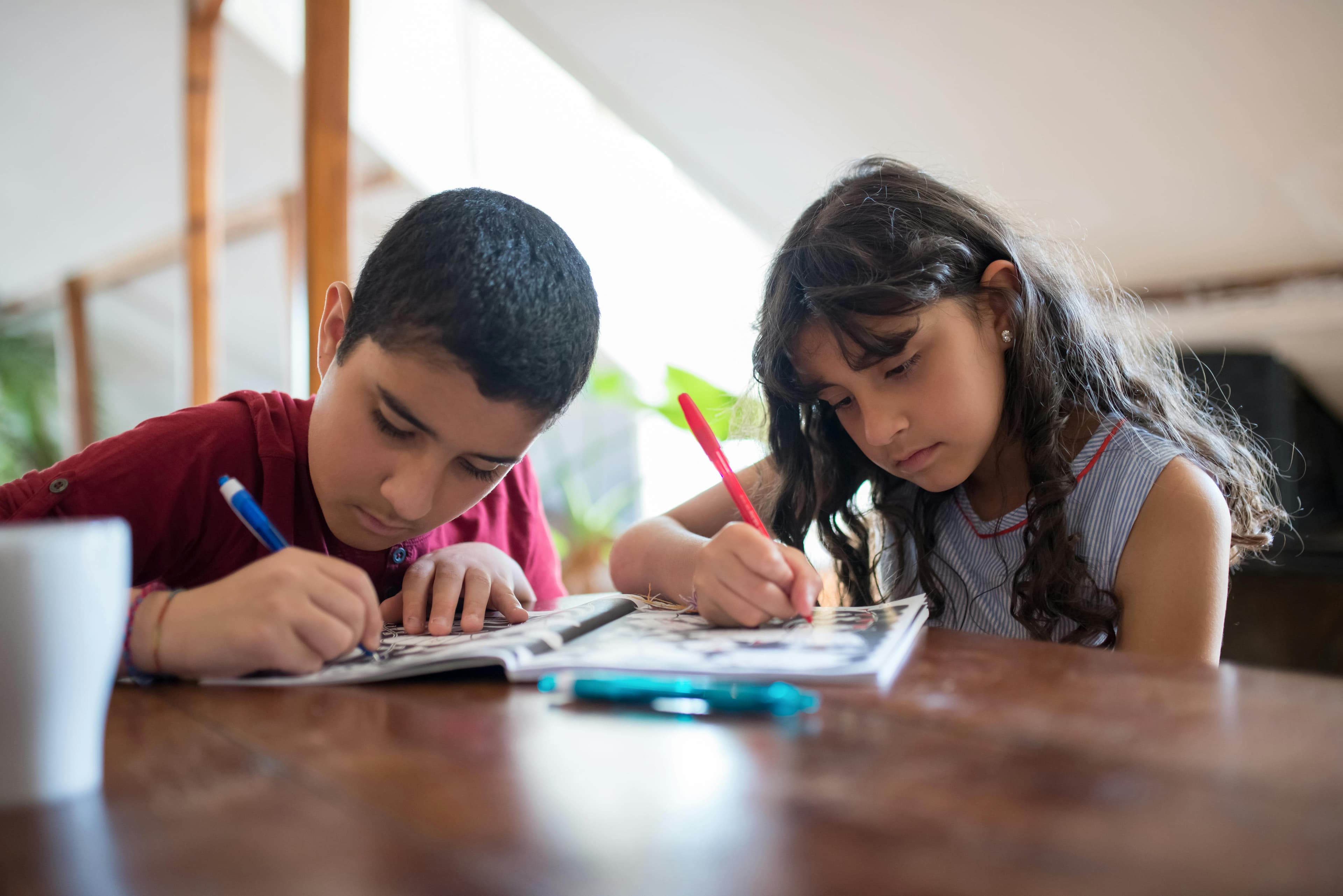
Gifts for Kids Who Have Everything: Experience, Educational & Meaningful Picks by Age and Budget
Find the perfect gift for a child who has everything! Our guide to experience, educational, and meaningful physical gifts will help you choose a present that truly matters.
Quick Summary
Finding gifts for kids who have everything means shifting from adding more toys to creating meaningful experiences, building skills, and strengthening emotional connections. Focus on experience gifts, educational tools, and personalized items that grow with the child—rather than adding to toy box clutter.
Why Kids Who Have Everything Still Need Great Gifts: Rethinking Gift-Giving
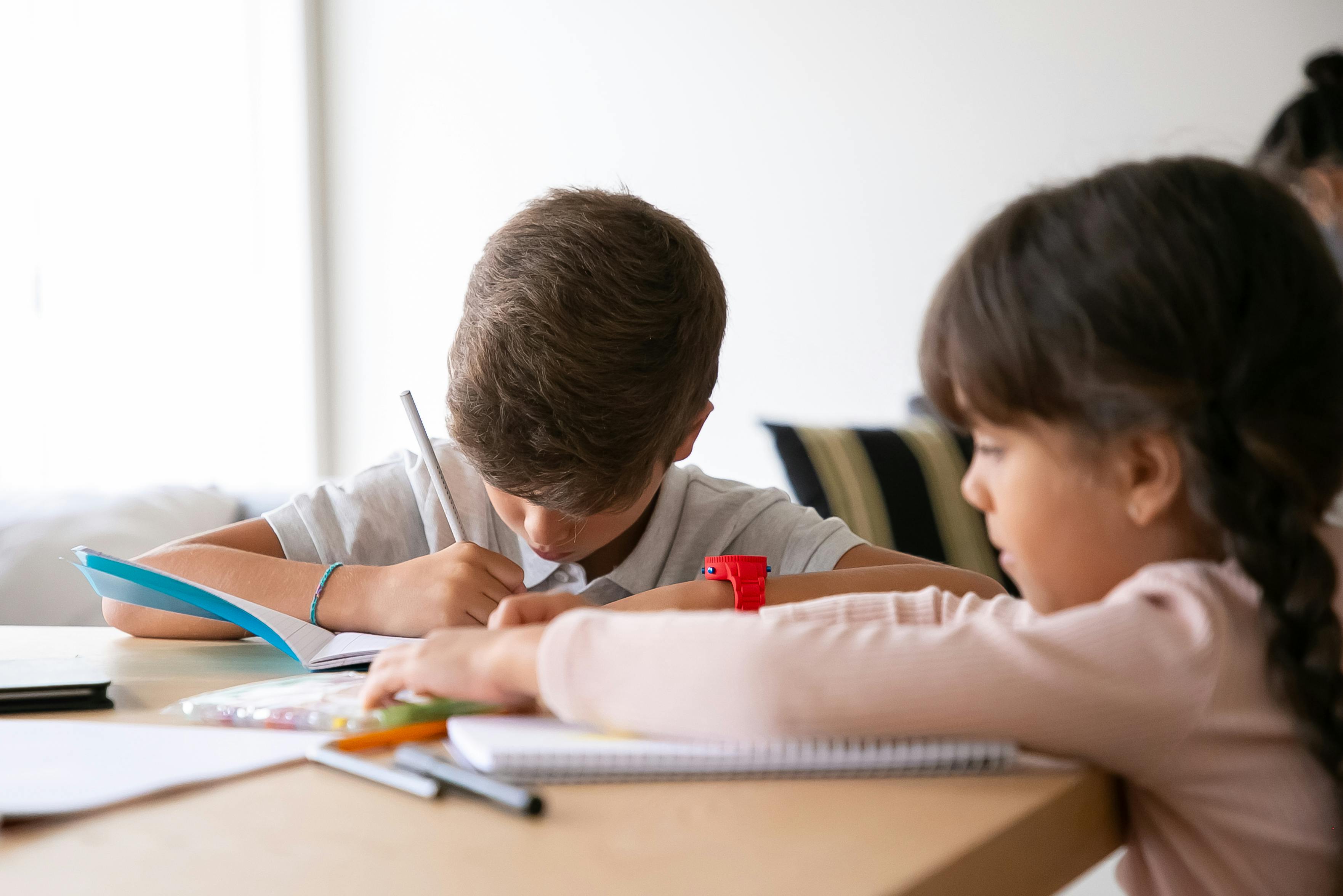
When shopping for kids who seem to have everything, the challenge isn’t finding something new but finding something meaningful. Surrounded by toys and gadgets, children still benefit enormously from thoughtful gifts; the focus should shift from possession to experience, from accumulation to connection.
The psychological impact of gift-giving extends far beyond the object itself. Research shows that children's spontaneous emotional expressions during gift exchanges reveal the deep emotional processing at play, highlighting how thoughtful gifts support emotional development and relationship building.
Instead of asking “what don’t they have,” ask “what experiences are missing?” or “what skills would they enjoy developing?” This reframing opens three powerful gift categories: experience gifts that create lasting memories, educational gifts that build capabilities, and meaningful physical gifts that foster personal connection rather than just occupy space.
The key is moving beyond random toy purchases toward intentional giving. Children who seem to have everything often lack what matters most: dedicated time with loved ones, opportunities to explore new interests, and items that reflect their unique personality and bonds.
The 4-Gift Rule Framework: How to Choose Gifts with Intention
The 4-gift rule provides a clear structure for intentional gift-giving: something they want, something they need, something to wear, and something to read. For gift-givers shopping for children with abundant possessions, this approach prevents duplicate purchases and ensures each gift fills a distinct role.
When applied to well-supplied children, "something they want" shifts from obvious toy requests to deeper interests they've expressed. "Something they need" can focus on experiences rather than objects—perhaps swimming lessons or art supplies for a newly discovered passion. And "something to wear" might become personalised clothing that celebrates their interests or achievements.
Many families adapt this to a 5-gift rule by adding "something to do," addressing children who have plenty of possessions but crave engaging activities. This category opens opportunities for experience gifts, subscription boxes, and activity kits that offer ongoing engagement rather than momentary excitement.
For non-parent gift-givers, the framework still applies with minor tweaks. Focus on areas where you can make the biggest impact without duplicating what parents typically provide. Aunts and uncles might excel at "something to do" gifts, while grandparents often shine with meaningful "something to read" options or special experiences.
It also encourages coordination with other gift-givers, so the child receives a balanced collection of gifts instead of multiple versions of similar items.
Gift Category Comparison: Experience vs Educational vs Physical
Knowing each gift category’s strengths and limitations helps you choose the best approach for your situation and your relationship with the child.
Experience gifts excel at creating lasting memories and family bonding, but they require coordinating schedules with parents and may lack the immediate gratification wrapped presents provide. The growing popularity of experiential gifting shows parents recognize that experiences often offer more lasting value than physical items.
Educational gifts build genuine skills and spark new interests, but they can feel like homework if not chosen carefully. The best ones feel like play while secretly developing capabilities.
Meaningful physical gifts create tangible mementos of your relationship and can grow with the child over time, but they risk adding clutter if not chosen thoughtfully.
| Gift Category | Best Ages | Price Range | Ideal Giver | Key Benefit | |--------------|-----------|-------------|-------------|-------------| | Experience | All ages | £20-£200+ | Parents/Grandparents | Lasting memories | | Educational | 4+ | £10-£100 | Any | Skill development | | Physical | All ages | £5-£75 | Any | Personal connection |
Opt for experience gifts to create shared memories, educational gifts when the child shows curiosity for new skills, and meaningful physical gifts when you want to give something uniquely personal.
Experience Gifts That Create Lasting Memories
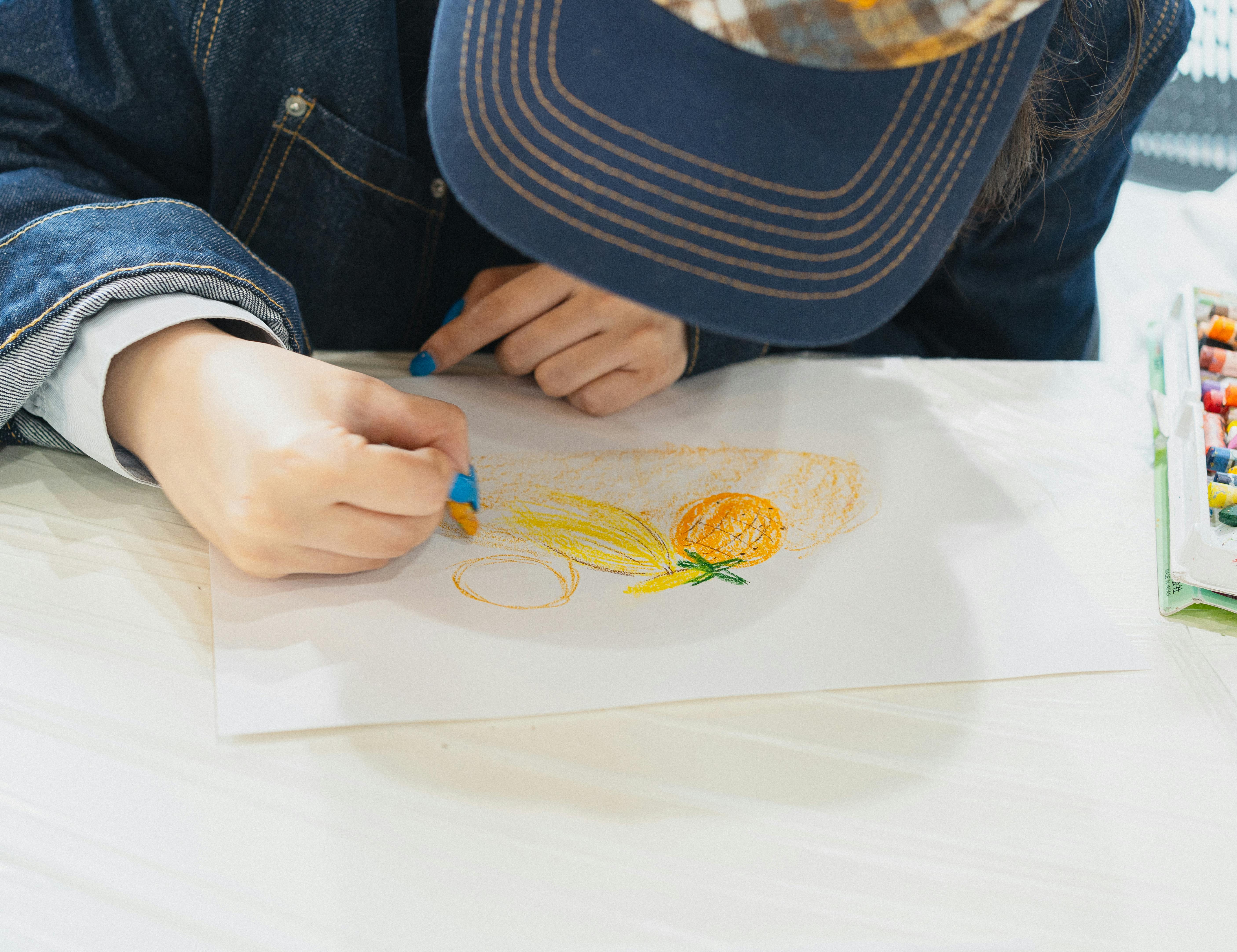
Experience gifts transform gift-giving from accumulation into adventure, creating memories that outlast any toy. Match the experience to the child’s developmental stage and interests, while keeping practical family logistics in mind.
For ages 3–5, focus on experiences that feel magical and build confidence. Zoo or aquarium memberships offer year-round adventures, swimming lessons blend fun with essential life skills, local theatre shows for young audiences provide cultural exposure, and pottery painting sessions create keepsakes while refining fine motor skills.
For ages 6–8, choose more complex experiences that challenge their independence. Cooking classes teach practical skills and boost confidence; rock climbing (with proper supervision) develops physical courage and problem-solving; art workshops foster creativity beyond basic crafts; and local history museums with hands-on exhibits or science centres with interactive demos spark curiosity.
For ages 9–12, look for adventure and skill-building opportunities. Coding camps teach valuable tech skills, escape rooms encourage logical thinking and teamwork, horseback riding lessons combine physical activity with animal connection, and photography workshops introduce both technical know-how and creative expression.
When presenting experience gifts, build anticipation with a thoughtful reveal. A decorated certificate, countdown calendar, or photo book of the upcoming adventure will spark excitement. Choosing experiences that can be shared with friends or family also maximises the social connection.
Educational and Creative Gifts That Build Skills (Ages 3-12)
Educational gifts work best when they feel like discoveries rather than assignments. The key is choosing tools that match a child's interests while offering new challenges at just the right level.
For ages 3-5, sensory learning tools lay the groundwork for future academic skills. Magnetic drawing boards encourage early writing without the pressure of permanence. Musical instruments—light-up keyboards or simple ukuleles—introduce rhythm and melody. Building blocks that connect in multiple ways develop spatial reasoning and creativity. For detailed guidance on this transitional phase of more sophisticated play-based learning, see Age-specific gift recommendations for 4-6 year olds.
Ages 6-8 benefit from STEM kits that make science feel like magic. Crystal growing kits provide instant gratification while teaching scientific observation. Beginner robotics sets introduce programming concepts through play. Advanced craft sets—jewellery making or model building—develop fine motor skills and patience. Musical instruments become more sophisticated too, perhaps a real guitar or a keyboard paired with lesson apps.
Children aged 9-12 are ready for tools that match adult versions in quality but remain age-appropriate. Programming platforms like Scratch or Micro:bit introduce real coding skills through game creation. Advanced building sets—architectural models or engineering kits—challenge mathematical thinking. High-quality art supplies—professional markers, watercolour sets, or digital drawing tablets—support serious creative pursuits.
Government toy safety regulations ensure age-appropriate educational tools meet developmental and safety standards, but always check that complexity matches the individual child's abilities rather than just their chronological age.
The best educational gifts spark curiosity that extends beyond the initial activity, leading children to explore related topics or seek additional challenges in the same area.
Meaningful Physical Gifts That Aren't Just More Stuff
The reliable answer for a child who owns everything is something that cannot be a duplicate. Magic Moon Books illustrates the child from an uploaded photo as the hero of a 41-page story they colour in themselves — by definition they do not already have it, and no one else can give the same thing. It reads at bedtime, occupies them for weeks, then stays as a keepsake. £18.99 including UK shipping; make one from a photo.

By focusing on personal connection and lasting value rather than momentary entertainment, physical gifts avoid toy overload while strengthening your bond with the child.
Personalised items forge unique emotional connections that mass-produced toys can't match. Our Personalised Christmas gifts guide shows how customisation transforms everyday items into treasured keepsakes. Name-embroidered backpacks, custom star maps of their birthday night, or photo books documenting your bond create lasting value.
Subscription boxes provide ongoing excitement without overcrowding the child's space. Monthly craft kits, science experiment boxes, or book subscriptions deliver age-appropriate activities over time. Unlike one-off purchases, subscriptions build anticipation and give parents ready-made activities for rainy days or school holidays.
Hobby starter kits open whole new worlds of interest by supplying everything a beginner needs. A calligraphy set for novices, an origami paper collection with instruction books, or a gardening kit complete with seeds and child-sized tools can spark lifelong passions. These gifts are perfect for kids who have every toy but haven't yet discovered their creative interests.
Personalised colouring books show how traditional activities feel special when customised. When a child sees themselves as the hero of the story, colouring shifts from a pastime to an act of self-expression.
Items that grow with the child offer true long-term value. Adjustable art easels, expandable train sets with compatible add-ons, or classic board games designed for multiple age ranges stay relevant as a child develops.
Budget-Smart Gift Guide: Under £15, £15-£50, and £50+
In the middle tier, Magic Moon Books is £18.99 including UK shipping — modest for something that cannot be duplicated.
Meaningful gifts don't require large budgets—they require thoughtful selection that maximises impact within your price range.
Under £15 options focus on personalised touches and creative supplies. Custom bookmarks featuring the child's name and favourite animals cost under £10 but feel special with every read. Quality art supplies—professional coloured pencils or watercolour sets—deliver better results than cheap alternatives. Small experience vouchers, like afternoon swimming passes or cinema tickets, create lasting memories on a tight budget.
£15-£50 unlocks subscription boxes, hobby equipment, and local experience days. Monthly craft subscriptions provide ongoing engagement for about £20. Personalised story books typically fall in this range, creating treasures children revisit repeatedly. Quality musical instruments—ukuleles or keyboards with built-in learning features—offer years of enjoyment.
£50+ opens up premium experiences, high-quality educational tools, and major hobby investments. Museum memberships, coding camp sessions, or quality microscopes are investments in a child’s development. Technology gifts—tablets with educational apps or digital cameras designed for kids—merge entertainment with skill-building.
Regardless of budget, focus on items that offer lasting value rather than momentary excitement. A £10 personalised journal might be treasured longer than a £50 toy that’s quickly forgotten. Consider combining smaller gifts into themed sets—art supplies, sketchbooks, and museum tickets create a comprehensive creative experience.
Gift-Giver's Guide: What Works Best from Different Relationships
Your relationship with the child shapes the best gift categories and prevents duplication of what other family members typically give.
Parents should focus on experiences and skill-building investments since they best understand the child's interests and developmental needs. Consider long-term commitments—music lessons, sports equipment—because you’re part of their daily routine. Educational tools for homework support or new skills also align well with parental goals.
Grandparents excel at meaningful keepsakes and special experiences that create intergenerational memories. They might give photo albums of family history, special outings to meaningful places, or heirloom-worthy items. Experience gifts that include grandparent participation—such as theatre shows or museum visits—further strengthen family bonds.
Aunts, uncles, and family friends succeed with fun, creative, personal items that complement rather than compete with parental choices. Craft supplies, books, playful clothing, or hobby starter kits fit the bill. These gift-givers can take creative risks parents might avoid, introducing new interests or activities.
Coordinate with other gift-givers when possible to ensure the child receives a balanced collection. Quick chats about plans prevent duplicates and help everyone contribute to the child's development and joy—not just their toy pile.
Conclusion
Finding gifts for kids who have everything means shifting from accumulation to connection, possessions to experiences, and impulse buys to intentional choices. By using frameworks like the 4-gift rule—and balancing experiential, educational, and meaningful physical presents—you can make a lasting impact no matter what the child already owns. The best gifts for well-supplied children often aren’t in toy shops; they’re discovered in shared experiences, skill-building opportunities, and personalised moments that reflect your unique relationship.
Frequently asked questions
How do I choose gifts for kids who already have lots of toys?+
Focus on experiences, educational tools, and personalised items instead of more toys. Look for gifts that build skills, create memories, and strengthen your bond with the child. Consider subscriptions, classes, or activities that provide ongoing engagement.
What's the best way to present experience gifts to children?+
Create tangible excitement with certificates, countdown calendars, or photo previews of the experience. Children appreciate having something to unwrap, so present experience gifts in creative packages with visual elements that build anticipation.
Are educational gifts too much like homework?+
Educational gifts work best when they feel like play rather than assignments. Choose activities that match the child's interests and provide immediate satisfaction while secretly building skills. The best educational gifts spark curiosity and voluntary exploration.
How much should I spend on gifts for kids who have everything?+
Budget doesn't determine gift success—thoughtfulness does. A £10 personalised book might be treasured longer than an expensive toy. Focus on items that provide lasting value, whether through skill development, memory creation, or personal connection.
What if the child already has something similar to what I want to give?+
Research their current interests and ask parents about recent gifts to avoid duplicates. Consider consumable gifts like art supplies or experiences that can't be duplicated. When in doubt, choose personalised versions of common items to ensure uniqueness.
Create a personalised colouring book from £18.99
Your child as the star. Printed and delivered. Digital PDF included.
Start My Book