

Space Gifts for Kids: How to Pick the Perfect Present by Age, Budget & Interest Level
Choosing the perfect space gift for your little astronaut can be overwhelming. This guide helps you match their age, interest level, and budget to the right category, and then points you toward the best options in each category.
Quick Summary
Choosing the perfect space gift for kids means matching their age, interests, and your budget to the right category. From toddler-safe rockets to teen telescopes, this guide compares toys, experiences, and educational kits to help you find the ideal present for your little astronaut.
Introduction: Finding the Perfect Space Gift for Your Little Astronaut

Space-obsessed kids are everywhere, dreaming of rockets, planets, and distant galaxies. When you search for "what do you buy a child who loves space?", you face an overwhelming galaxy of options—from £5 toy rockets to £500 telescopes.
The challenge isn't finding space-themed gifts—it's choosing the right one. A telescope that thrills a 10-year-old might frustrate a 6-year-old, while a simple space book could bore an aspiring astronomer. Age, developmental stage, and genuine interest matter far more than flashy features or cosmic packaging.
This guide cuts through the confusion with a practical decision-making framework. Instead of drowning you in product lists, we'll show you how to match the perfect gift to your child and highlight top options in each category. Whether you're shopping for a casual space fan or a future astronaut, we'll help you land on the perfect present.
How to Choose the Right Space Gift: Age, Interest Level, and Budget Framework
Before diving into specific recommendations, assess three key factors that will guide your entire gift-selection process.
Age and Development Stage Research shows that children's toy utilization varies significantly with developmental milestones, making age the most critical factor in gift selection. Toddlers (3–5) need sensory exploration and simple cause-and-effect toys. Primary school children (6–9) can handle multi-step building projects and basic scientific concepts. Older kids (10–12) are ready for real scientific instruments and more complex construction challenges.
Safety rules vary by age. The UK Toys Safety Regulations outline different requirements for under-3s, 3–8-year-olds, and older children, particularly around small parts and complexity levels.
Interest Level Assessment Not all space-loving children are created equal. A casual fan might enjoy space-themed stickers and picture books, while a deep enthusiast craves detailed models and real astronomy equipment. Look for these indicators:
- Casual interest: Enjoys space movies, has a few space toys, mentions astronauts occasionally
- Moderate enthusiasm: Seeks out space books, asks detailed questions about planets, knows astronaut names
- Deep obsession: Memorizes space facts, builds elaborate space scenarios during play, expresses serious career interest
Budget Tiers and Value Expectations Space gifts span every price range, but their value varies dramatically. - Under £10 buys engaging books, small models, or craft kits. - £10–25 opens up quality building sets, educational games, and starter science kits. - £25–50 includes advanced LEGO sets, beginner telescopes, and comprehensive book collections. - Above £50 reaches premium telescopes, robotics kits, and experience gifts.
The key is matching budget to engagement. A £40 telescope that sits unused after two weeks delivers poor value, while a £15 book collection that sparks months of reading offers an excellent return on investment.
Best Space Gifts for Toddlers and Preschoolers (Ages 3–5)
For this age, a personalised space story works better than a model or a kit, because the appeal is imaginative rather than technical. Magic Moon Books has a Space Rescue book in which your child is illustrated as the astronaut, drawn from a photo you upload, across 41 pages they colour in themselves. It reads as a bedtime story and doubles as the activity. £18.99 including UK shipping. There are also free space colouring pages if you want to test the interest first.
Young space fans need gifts that prioritize safety, sensory engagement, and imaginative play rather than scientific accuracy. At this stage, developmental appropriateness matters more than a strict space theme.
Safety-First Recommendations Chunky wooden rockets with no small parts satisfy both play value and safety requirements. Soft fabric space shuttles are ideal for toddlers who still mouth toys. Look for rounded edges, secure attachments, and pieces too large to swallow.
Sensory and Imaginative Play Focus Space-themed playsets featuring astronaut figures, rockets, and planets encourage storytelling and role-playing. Musical space toys that light up and produce realistic rocket sounds captivate little ones. Puzzles with large space-themed pieces develop problem-solving skills while reinforcing vocabulary.
Books remain a top choice for this age group. Board books about planets, astronauts, and rockets introduce concepts without frustration, while interactive titles with flaps, textures, or sounds extend engagement beyond simple reading.
Consider these age-appropriate gift ideas when assessing developmental suitability. The goal is to choose gifts that grow with the child, not items they'll quickly outgrow.
What to Avoid Skip anything with small parts, complex assembly, or advanced scientific concepts. Avoid telescopes, detailed model kits, and books with dense text. At this age, wonder and imagination trump scientific accuracy.
Best Space Gifts for Primary School Kids (Ages 6–9)
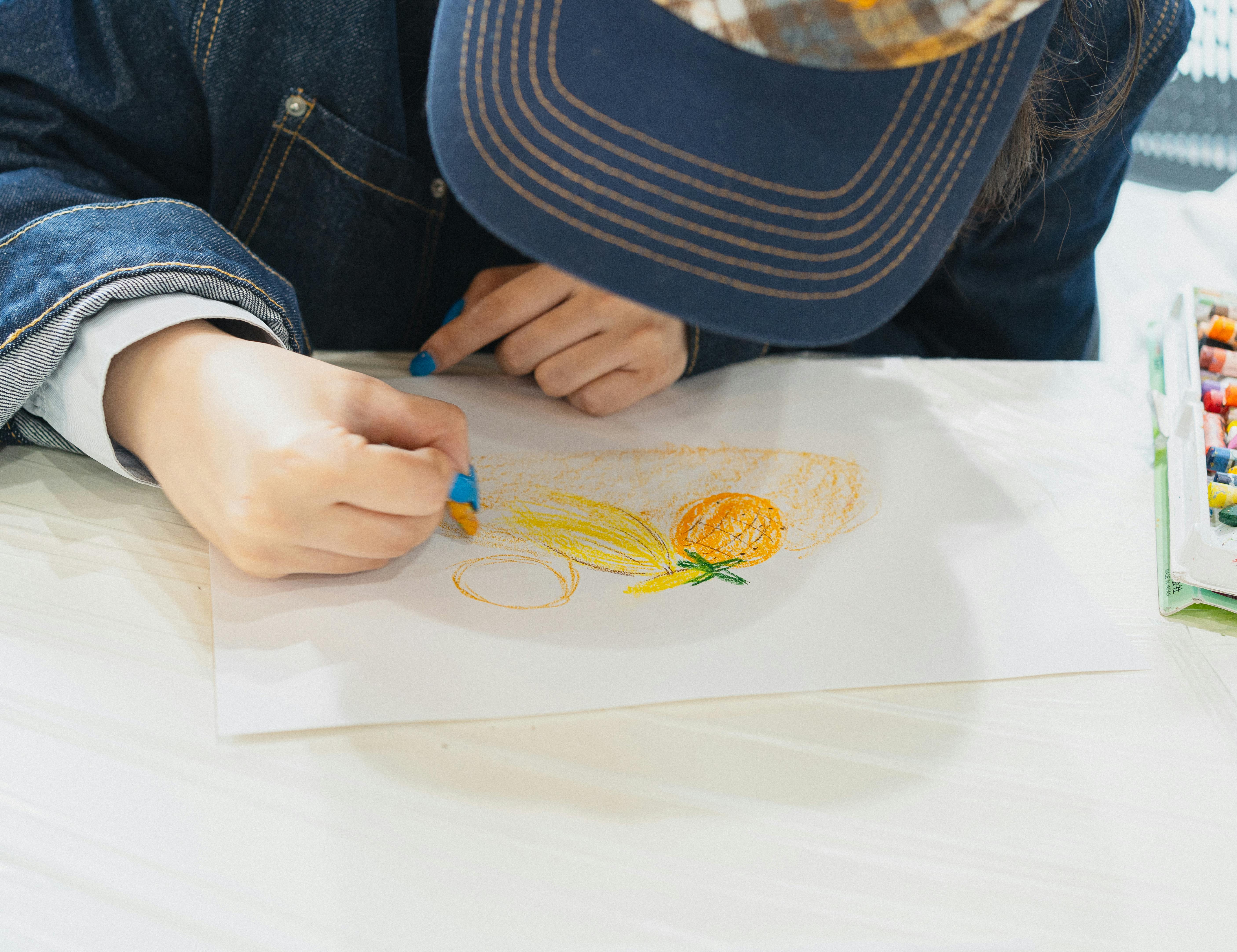
Primary school children can handle more complexity as they develop genuine scientific curiosity. They thrive on gifts that blend education with entertainment.
Educational Toys That Balance Fun and Learning Space-themed board games teach about planets, astronauts, and space missions while entertaining the whole family. Interactive space books with augmented reality features bring planets and spacecraft to life. Space-themed science kits, from rocket building to planet formation, deliver hands-on learning experiences.
Building and Construction Space Kits LEGO space sets for this age group provide hours of focused construction and imaginative play. Their complexity sharpens fine motor skills, and the finished models inspire storytelling. Alternative building systems like K'NEX or magnetic tiles with space themes offer fresh construction challenges.
Beginner model rocket kits introduce real engineering concepts and often include multiple launch opportunities plus clear safety instructions. With adult supervision, they create memorable shared experiences.
Books and Interactive Media Recommendations Chapter books on space exploration nurture emerging reading skills while fueling curiosity. Graphic novels featuring space adventures combine visual appeal with educational content. Interactive apps and educational websites offer screen time parents can feel good about.
According to the Royal Astronomical Society, formal astronomy education can start around ages 7–8, making this the perfect time for beginner astronomy books and star charts.
Best Space Gifts for Older Kids and Pre-teens (Ages 10–12)
Older children are ready for genuine scientific equipment and sophisticated building challenges, appreciating accuracy, complexity, and long-term projects that younger kids might find frustrating.
More Sophisticated Toys and Genuine Science Equipment Entry-level telescopes are viable options for this age group; look for sturdy mounts, clear instructions, and realistic expectations. Refractor telescopes often suit beginners better than reflectors thanks to lower maintenance.
Microscopes with space-related slide sets bridge terrestrial science and space exploration. Weather stations tie atmospheric science to space weather concepts. These tools offer genuine scientific value while fueling space curiosity.
Advanced Building Sets and Robotics Complex LEGO Technic space sets challenge budding engineers. Robotics kits with space themes introduce programming concepts within a cosmic context. Model rocket kits with multi-stage designs or advanced recovery systems match this age group's skills.
3D puzzle models of spacecraft, space stations, or planets deliver detailed construction challenges and double as display pieces celebrating both the build and a passion for space.
Books for Independent Readers Non-fiction books on space exploration, astronaut biographies, and planetary science suit avid young readers. Science fiction novels bring space concepts to life through engaging storytelling. Technical guides on rocket design or mission planning appeal to serious enthusiasts.
Subscription magazines focused on astronomy or space exploration make gifts that keep on giving throughout the year.
Space Gift Category Showdown: Toys vs Telescopes vs Kits vs Experiences

Understanding the trade-offs helps you find the best match for your child and your situation.
Traditional Space Toys Pros: Immediate gratification, sparks imaginative play, budget-friendly, no learning curve. Cons: Limited educational value, interest can fade quickly, often made of cheap materials. Best for: Younger kids, casual space fans, supplementary presents, budget-conscious buyers.
Telescopes and Scientific Equipment Pros: Genuine scientific value, long-term engagement, builds real skills, makes an impressive gift. Cons: Requires patience and practice, weather-dependent, higher cost, risk of disappointment if expectations aren’t managed. Best for: Serious space enthusiasts, older children, families committed to astronomy.
Building Sets and Construction Kits Pros: Combines building satisfaction with space themes, develops engineering skills, creates lasting display pieces, offers strong value. Cons: Time-consuming, may need adult help, interest may wane after construction. Best for: Kids who love building, families who value educational play, children who enjoy displaying their achievements.
Experience-Based Gifts Pros: Creates lasting memories, offers social interaction, exposes kids to career possibilities, often includes expert guidance. Cons: Location-dependent, scheduling constraints, higher costs, weather or timing risks. Best for: Special occasions, families who value experiences over objects, children ready for group activities.
Research on gift-giving patterns shows experiential gifts often provide greater long-term satisfaction than material items, making them worth considering despite added complexity.
Budget-Smart Space Gifts: Under £10, £25, and £50
Under £25, the Space Rescue book from Magic Moon Books is £18.99 including UK shipping and personalises the astronaut to your own child.
Smart shopping is about maximizing impact on a budget while steering clear of low-quality items that disappoint quickly.
Under £10: Maximum Impact Picks Quality space books deliver excellent value at this price. Look for DK Eyewitness, National Geographic Kids, or Usborne illustrated guides for years of reference and re-reading appeal.
Space-themed craft kits, sticker books, and activity sets offer instant fun, while foam-planet solar system models provide hands-on learning. Glow-in-the-dark star stickers can transform a bedroom for years.
Enhance any gift with free space coloring activities to extend the theme without extra cost.
£10-25: Value-for-Money Champions Entry-level LEGO space sets or compatible building blocks encourage quality construction play, while space-themed board games bring family entertainment. Beginner science kits exploring rockets or planets blend education with hands-on fun.
Space-themed clothing—like NASA t-shirts or astronaut costumes—makes a practical gift that celebrates their passion. Planet models or hanging solar systems add educational room décor.
£25-50: Premium Options Advanced LEGO space sets, beginner telescopes, or comprehensive space book collections justify a higher spend with extended engagement. Space-themed subscription boxes provide ongoing excitement beyond the initial present.
For kids who already have plenty of space gear, consider personalised colouring books or other personalised gift options.
Experience-Based Space Gifts: Beyond Physical Products
Experience gifts create lasting memories and introduce children to space science through expert guidance and social interaction.
Planetarium Visits and Space Center Trips Planetarium shows offer immersive experiences beyond what any home toy can match. Many planetariums host special children’s programs tailored to different age groups. Space centers and science museums often feature interactive exhibits, astronaut meet-and-greets, and hands-on activities. Research shows these outings spark deeper interest in science careers and create lasting family memories.
Space Camps and Astronomy Clubs Day camps and weekend programs focused on space exploration blend education with social fun. Many communities have astronomy clubs for kids, providing ongoing engagement with space topics and introducing them to peers who share their interests. Local universities and community colleges sometimes offer children’s astronomy programs with professional-grade equipment and expert instruction.
Subscription Boxes and Online Courses Monthly space-themed subscription boxes deliver new excitement year-round. Online courses for children offer structured learning that complements school science. Virtual reality space experiences, while requiring compatible equipment, provide immersive exploration beyond what traditional toys can offer.
Conclusion
Choosing the perfect space gift means matching your child's age, interests, and your budget to the ideal present. Whether it’s a sensory space toy for a preschooler, an educational kit for a primary school child, or a real telescope for a dedicated young astronomer, the key is choosing something that will truly engage your child—not simply grabbing the most space-themed item you find.
Remember that the best space gifts blend immediate excitement with lasting learning. A thoughtfully chosen book, building set, or experience can spark a lifelong passion for science and exploration that extends far beyond childhood play.
Frequently asked questions
What's the best first telescope for a child interested in space?+
For kids aged 8–12, choose a refractor telescope with a 70–80 mm aperture and a sturdy alt-azimuth mount. Avoid toy scopes with plastic lenses—and steer clear of advanced models with complex computerized systems. Plan to spend £80–150 for a quality beginner telescope that will clearly reveal lunar craters and planets.
How do I know if my child is ready for a real telescope?+
Your child should be able to follow multi-step instructions, be patient during setup, and maintain interest in space for at least six months. They should also understand that telescopes take practice and won’t produce Hollywood-style images. If you’re unsure, consider starting with astronomy binoculars.
Are expensive space-themed LEGO sets worth the price?+
High-quality LEGO space sets justify their price with durability, design complexity, and long-term play value, though generic sets can offer similar experiences at lower cost. Choose official LEGO if your child is a serious builder who values accuracy and collectibility, or consider alternatives for casual space fans.
What space gifts work for kids who already have lots of space toys?+
Opt for experience-based gifts—planetarium visits, space camps, or astronomy club memberships. Consumables like space-themed craft supplies or experiment kits are also a hit. You might also try books on niche space topics they haven’t explored yet, or subscription services that deliver fresh space content year-round.
How can I make a small space gift feel more special?+
Enhance any space gift with extra touches: space-themed wrapping paper, a handwritten note explaining why you chose it, or complimentary activities. Create a space-themed treasure hunt to reveal the main gift, or pair it with a trip to your local planetarium or space museum.
Create a personalised colouring book from £18.99
Your child as the star. Printed and delivered. Digital PDF included.
Start My Book