
Best Gifts for Kids Who Love Drawing: Sorted by Age, Skill Level, and Budget
Discover the best drawing gifts for kids of all ages and skill levels. Our guide helps you choose the perfect gift for your child's creative development.
Quick Summary
Finding the perfect drawing gift means matching age-appropriate supplies to your child’s skills and your budget. From chunky crayons for toddlers to digital tablets for tweens, the ideal choice depends on their developmental stage, abilities, and whether you’re looking for a stocking filler or an investment piece.
How to Choose the Perfect Drawing Gift: Matching Age, Skill & Budget
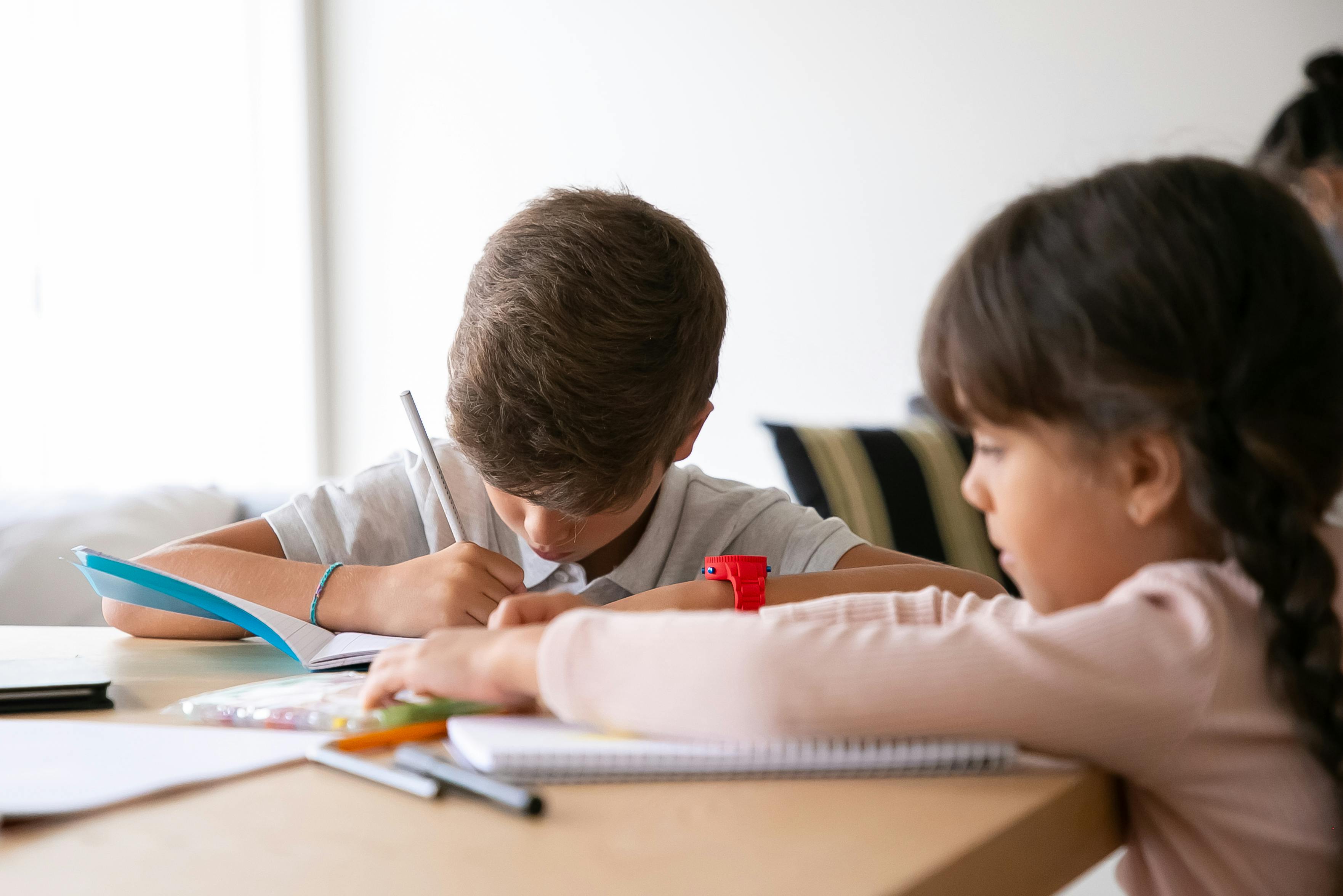
Finding gifts for kids who love drawing takes more thought than just grabbing the biggest art set on the shelf. Unlike generic toys, drawing supplies must align with a child's physical development, cognitive abilities, and artistic interests to be useful—not frustrating or ignored.
Young children develop fine motor skills gradually, so some tools are simply inappropriate at certain ages. A detailed shading pencil might thrill a 10-year-old but frustrate a 5-year-old still mastering a basic grip. Conversely, pricey supplies can go to waste on beginners, while advanced young artists may outgrow budget basics quickly.
The best drawing gifts follow a simple framework: honestly assess the child's age and skill level, then choose supplies within your budget that will challenge them without overwhelming their abilities. This way, your gift won't just sit in a drawer but will be used, appreciated, and foster their artistic development.
Age & Skill Assessment: Understanding Your Young Artist
Before shopping, evaluate your child's place on the drawing-development spectrum. Age offers a baseline, but individual skill levels vary greatly. Research shows that fine motor development directly influences artistic expression, so it's crucial to match tools to current abilities rather than aspirational goals.
Look for these developmental markers: Can they hold a crayon with their whole fist or by the tips of their fingers? Do they draw recognisable shapes or still scribble freely? Can they stay within lines when colouring, or do they prefer creating their own boundaries? These observations matter more than chronological age when selecting appropriate supplies.
Consider the child's current interests too. Some 6-year-olds obsess over realistic animal drawings, while others prefer abstract patterns or cartoon characters. A gift aligned with their natural passions will be used far more than technically superior supplies that don't match their creative interests.
Red flags include supplies that demand skills the child hasn't developed (like blending tools for someone still learning basic shapes) or gifts so basic they may insult a more advanced young artist. When in doubt, ask a parent or teacher about the child's current favourite drawing activities.
Best Drawing Gifts for Young Kids (Ages 3-5): Building Creative Foundations
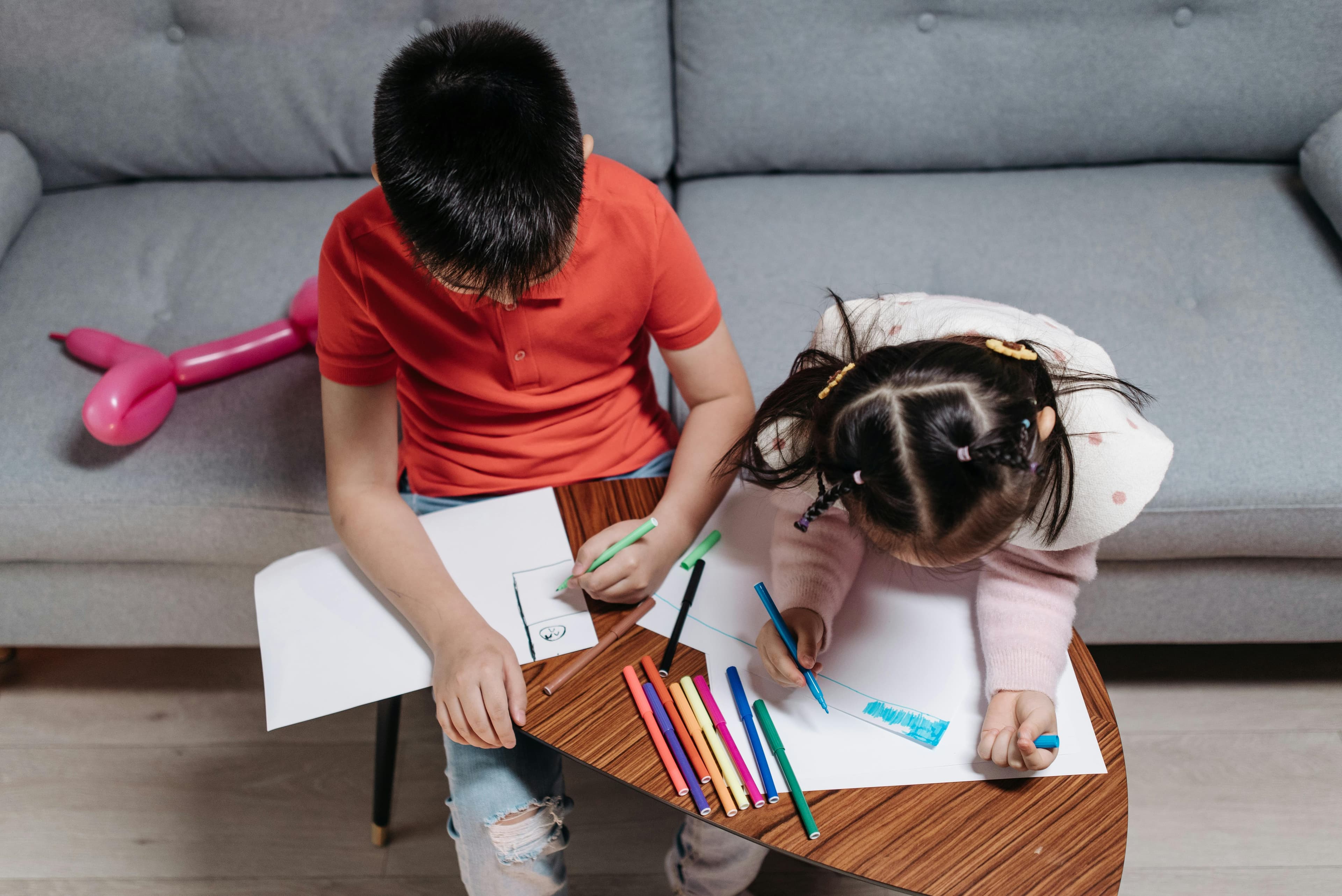
At this age, bold outlines matter more than detail — one reason personalised books such as Magic Moon Books, which are drawn for colouring rather than admiring, suit younger children well.
At this stage, physical development takes precedence over artistic sophistication. Chunky crayons and thick markers accommodate developing grip strength and hand coordination. Standard pencils can frustrate and even hinder proper grip. Washable options are essential – young children learn through experimentation, which often means marks on unexpected surfaces.
Large paper formats work best for this age group. A4 sketchbooks can feel restrictive for children still developing spatial awareness, while A3 or larger pads give them space to express ideas freely. Look for paper with enough tooth to hold crayon marks but not so textured that it’s hard to colour smoothly.
Guided drawing books with simple, step-by-step instructions build confidence and teach basic shapes. Choose ones with large, clear illustrations and minimal text. The goal is to build motor skills and creative confidence, not reading comprehension.
For mess-conscious households, consider magnetic drawing boards, water-based drawing mats, or chalk alternatives. They don’t replace traditional drawing experiences, but they offer creative outlets without cleanup worries. Quality art materials at this stage focus on safety and developmentally appropriate sizing.
For more gift ideas for this age group, consider how drawing supplies can complement other developmental toys and activities.
Best Drawing Gifts for Primary School Kids (Ages 6-8): Developing Skills
This age group benefits from quality upgrades without needing professional-grade supplies. Their improved fine motor control allows for standard-sized pencils and more detailed work, but they’re still honing technique and may be hard on materials.
When choosing coloured pencils, prioritise smooth, consistent colour application over an extensive colour range. A 24-piece set of quality pencils outperforms a 150-piece budget set every time. Look for brands with strong colour saturation that require minimal pressure—this prevents hand fatigue and improves control.
Proper sketchbooks become important at this stage. Lightweight paper tears easily or allows marker bleed. Choose sketchbooks with medium-weight paper (around 140 gsm) that can handle various media without bleeding or buckling. Spiral-bound options lay flat, making drawing easier.
Introducing new mediums can be exciting: soft pastels, basic watercolours, or child-safe charcoal pencils expand creative possibilities. Introduce one new medium at a time to avoid choice paralysis.
How-to-draw books aligned with their interests—dinosaurs, princesses, or superheroes—provide structure and teach fundamentals like proportion and detail work. Educational research supports this structured approach to developing artistic skills.
Best Drawing Gifts for Older Kids (Ages 9-12): Advanced Tools & Techniques
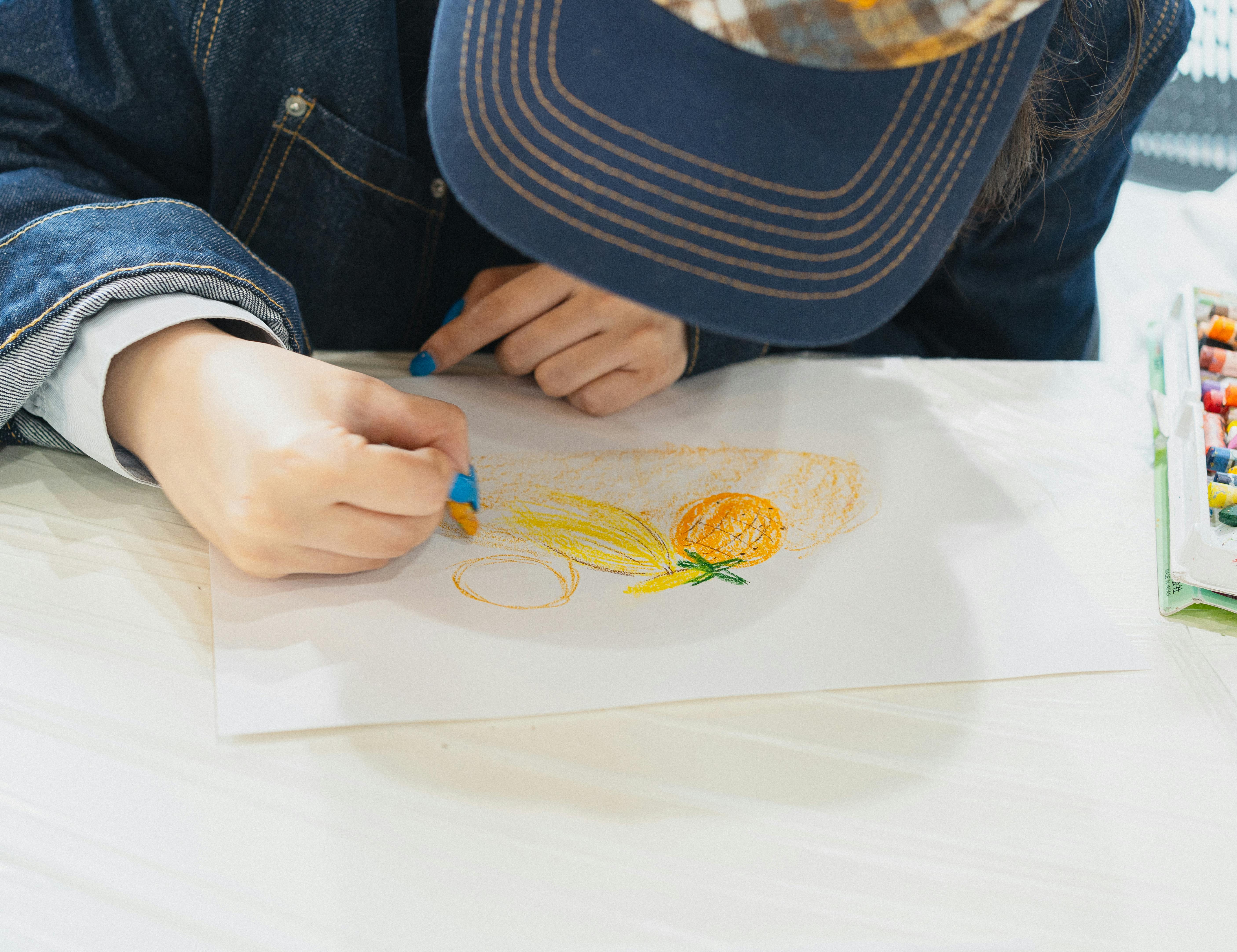
Kids in this age range often show serious artistic interest and can handle more sophisticated tools. With improved fine motor control and an emerging artistic vision, they're ready for supplies that would have frustrated them earlier.
Light tables or LED tracing pads help refine skills without fostering dependency. They're especially useful for kids interested in comic art, character design, or accurate proportions. Opt for models with adjustable brightness and USB charging for portability.
Entry-level drawing tablets can be revelatory for tech-savvy kids. However, ensure they've mastered traditional fundamentals first: graphics tablets demand hand–eye coordination, drawing on one surface while watching another—a skill that builds on classical training.
At this age, artist-grade supplies start to make sense for dedicated young artists. Quality graphite pencils in varied hardnesses, kneaded erasers, and blending stumps unlock shading and texture techniques impossible with basic supplies. The superior results can fuel ongoing artistic growth.
Perspective-drawing books and advanced technique guides become both accessible and useful. Kids this age can grasp concepts like vanishing points, proportional measurement, and systematic approaches to complex subjects.
Professional drawing sets with built-in storage appeal to kids eager to feel like "real artists." Seek sets that emphasize quality over quantity: fewer, better tools teach more than an overwhelming selection.
Budget-Smart Choices: Great Drawing Gifts Under £10
Smart budget choices focus on impactful additions rather than complete sets. A quality sketchbook often offers more value than a large kit of mediocre supplies. Choose paper that feels substantial and handles various mediums well.
Individual quality items can transform a child's drawing experience. A set of good gel pens, a quality blending stump, or a professional-grade eraser can dramatically improve how existing supplies perform. These targeted upgrades are thoughtful yet budget-friendly.
DIY drawing kit assembly lets you customize while keeping costs down. Buy individual items—a small sketchbook, a pack of quality pencils, and a kneaded eraser—and present them together. This approach often costs less than pre-made sets while offering higher-quality components.
Supplement purchased gifts with free printable coloring pages that match the child's interests. They provide immediate use for new supplies and extend gift value at no extra cost.
Stocking filler options include specialty erasers (shaped or scented), mini travel sketchbooks, or technique-specific tools like blending stumps—all introduce new possibilities without a big investment.
Premium Investment Gifts: When to Splurge on Quality
Identify children ready for premium supplies by their sustained interest, their care for existing materials, and frustration with current tools’ limitations. A child who complains that pencils don’t blend well or break easily may be ready for artist-grade supplies.
Professional-grade coloured pencils, such as Faber-Castell Polychromos or Prismacolor Premier sets, offer superior pigment quality, blendability, and durability. For serious young artists, the enhanced results justify the investment and motivate continued development.
High-quality paper transforms the drawing experience. Heavyweight drawing paper, Bristol board, or professional sketchbooks with varied textures enable techniques impossible on standard paper. This responsiveness can be revelatory for developing artists.
When gifting premium supplies, explain why they’re special. Kids appreciate knowing what makes their tools professional-grade, which encourages careful use and pride in their equipment.
Beyond Supplies: Experience & Educational Drawing Gifts
Personalised books belong in this category too, because what they give is an occasion to draw rather than another tool. Magic Moon Books turns an uploaded photo into a 41-page story starring the child, with colouring pages throughout — so the gift arrives with a reason to pick up the pencils attached. It costs £18.99 including UK shipping, and you can make one here.
Choose gifts that build skills, not just supply materials. Online drawing courses tailored for children provide structured lessons that parents may not feel equipped to teach. Platforms like Skillshare Kids and other art-education sites offer age-appropriate instruction.
Local art studio workshops and summer camps deliver social learning experiences and introduce children to techniques or materials they might not have at home. Gift certificates let families pick a time that fits their schedules.
Drawing-prompt journals or challenge books spark creativity when children hit a creative block. They offer structured inspiration without extra supplies—ideal alongside any material gift.
Personalised colouring books featuring the child's name, favourite characters, or family members create unique drawing experiences that blend personal connection with creative activity.
Museum memberships or gallery visits expose children to diverse styles and techniques, inspiring their work while fostering cultural appreciation.
Conclusion
The best drawing gifts match a child's developmental stage, interests, and your budget. Whether you’re picking chunky crayons for a preschooler or professional pencils for a budding artist, the key is understanding their needs rather than assuming bigger or pricier is better.
Think of these gifts as investments in creative growth that can provide years of enjoyment and skill-building. For special occasions, personalised Christmas gifts with drawing elements make especially memorable presents, blending thoughtfulness with artistic encouragement.
Frequently asked questions
What should I buy for a 4-year-old who loves to draw?+
Prioritise chunky crayons, washable markers, and large paper pads. These tools support developing fine motor skills and encourage free expression. Avoid small pencils or intricate tools that may frustrate instead of inspire.
How do I know if a child is ready for artist-grade supplies?+
Look for sustained interest in drawing, gentle care for their supplies, and frustration when basic tools can’t keep up. Kids who ask for specific colours, comment on pencil quality, or explore techniques like shading are often ready for higher-grade supplies.
Are expensive colored pencils worth it for kids?+
If your child draws frequently and shows genuine interest, quality coloured pencils can improve their results and enjoyment. But casual doodlers might not notice enough difference to justify the extra cost.
What drawing gifts work well for both boys and girls?+
Choose versatile tools like quality sketchbooks, graphite pencils, and how-to-draw guides on universal themes—animals, fantasy creatures, or everyday scenes. Skip gendered packaging and opt for professional-looking supplies that appeal to all young artists.
Should I buy digital drawing tools for kids?+
Digital drawing tools suit kids aged 9+ who have a solid grasp of traditional fundamentals. Ensure they’re comfortable with concepts like proportion, shading, and composition before adding the extra complexity of digital interfaces.
Create a personalised colouring book from £18.99
Your child as the star. Printed and delivered. Digital PDF included.
Start My Book