
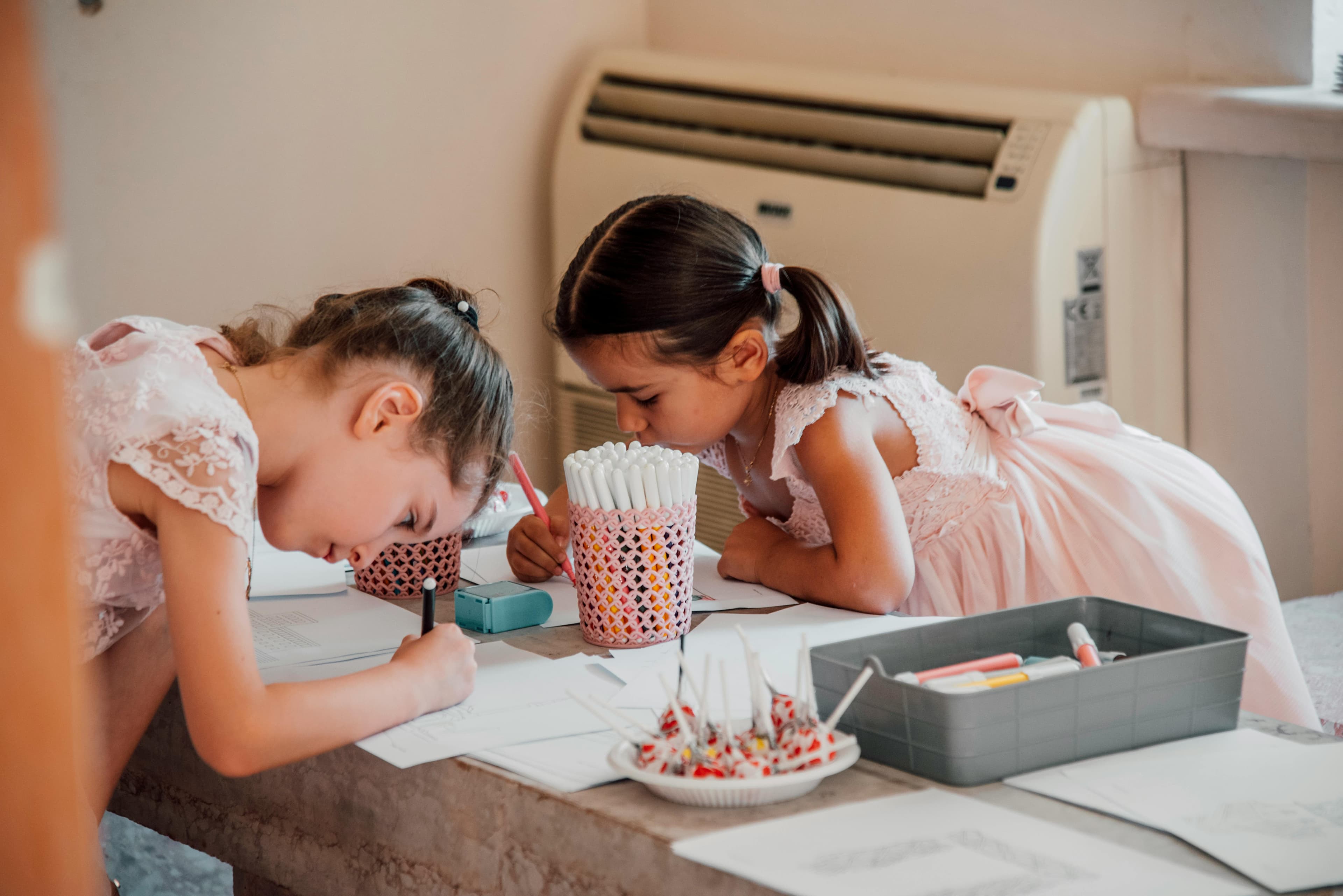
Why Kids Scribble Instead of Colouring (And What It Really Means for Their Development)
Scribbling is a crucial developmental milestone that builds neural pathways for future writing and cognitive skills.
Quick Summary
Scribbling is an essential milestone that forges neural pathways for future writing and cognitive skills. When children scribble rather than colour inside the lines, they’re following natural brain-development patterns that prioritise motor exploration over precision—just as they should. The varied strokes—loops, zigzags and dots—help toddlers practise hand-eye coordination and strengthen fine-motor muscles needed for scissors use, buttoning clothing and later pencil grip. As they experiment with chunky crayons, chalk or finger paints on large paper, these random marks gradually evolve into shapes like circles and crosses, the building blocks for letters and numbers. Celebrating this free-form mark-making, rather than enforcing neatness, supports confidence and creativity, preparing little ones for the structured tasks ahead.
Why Your Child's Scribbles Are Actually a Developmental Victory
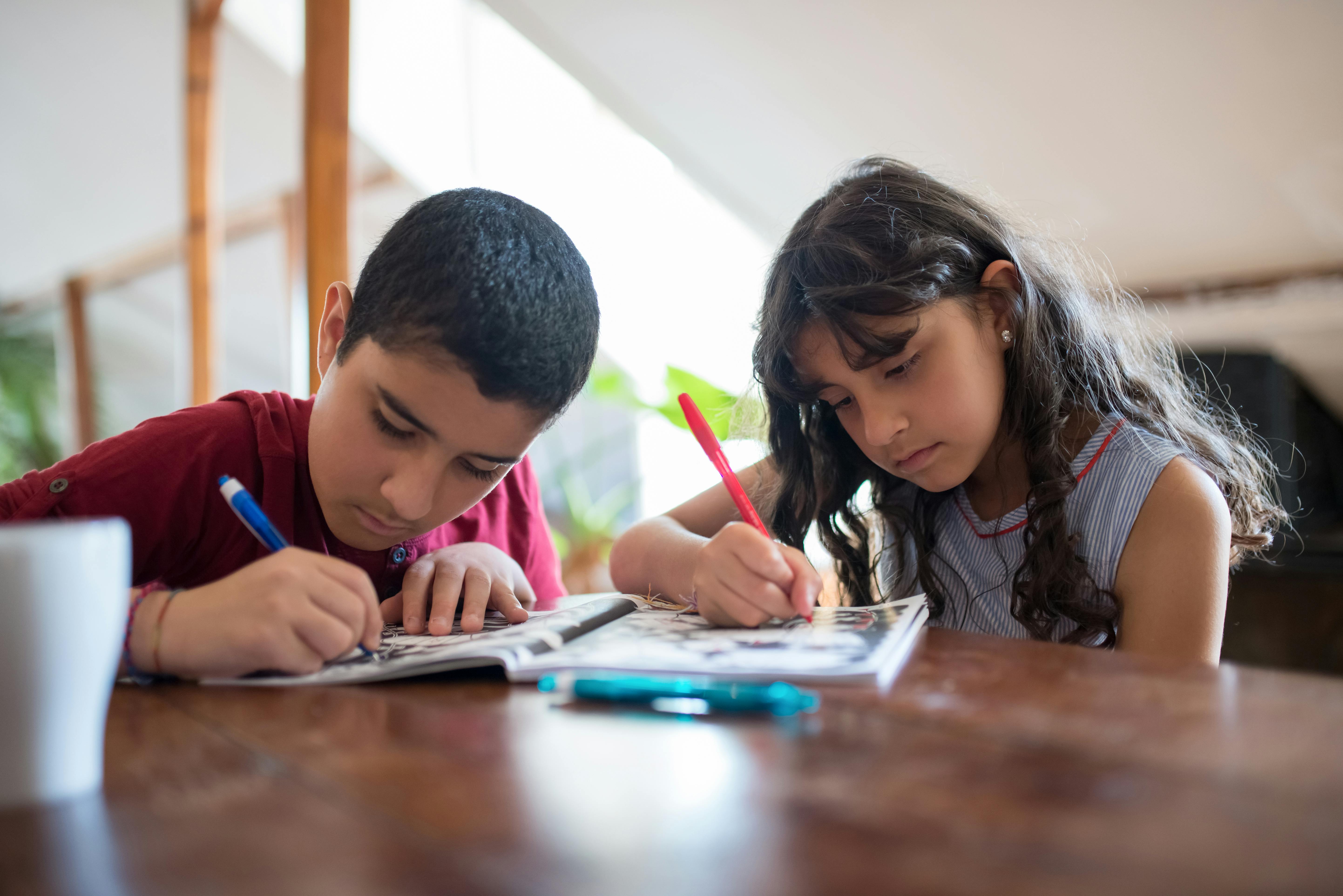
If you've ever watched your toddler gleefully cover a colouring page with wild, chaotic marks—ignoring the printed lines—you're witnessing a remarkable milestone in brain development. Those seemingly random scribbles reflect a complex orchestration of neural growth, motor planning, and cognitive coordination that far outweighs the benefits of neat colouring. In fact, when a child sweeps a chunky crayon across a page in large, looping motions, they’re strengthening shoulder muscles and mapping out the spatial relationships between arm, eye and hand.
Many parents worry when their child shows no interest in staying within the lines or makes abstract marks instead of recognisable pictures. This concern often grows when comparing their child to others who colour more "appropriately." But this worry stems from a fundamental misunderstanding of how children's artistic abilities naturally unfold. At around 18 months, most kids enter the “random scribble” stage; by age two, some begin experimenting with directional strokes—vertical, horizontal and circular—long before drawing a stick figure or house.
The reason kids scribble instead of colouring relates directly to their brain's priorities. At this stage, their nervous system focuses on building foundational motor skills, spatial awareness, and hand–eye coordination—not producing neat artwork. Every crosshatch or looping curve lays down new neural pathways that will later support letter formation, keyboard use, even athletic movements. Understanding this science can transform how you view their artistic expression and support their development more effectively—so cheer those scribbles as the first triumphant steps toward reading, writing and so much more.
The Science Behind Scribbling: What's Happening in Your Child's Brain
When your child scribbles, their brain coordinates an intricate dance of neural systems: the motor cortex plans and executes hand movements, the visual cortex processes spatial relationships, and the cerebellum refines coordination. This complex process explains why little ones scribble instead of colouring—their developing brain simply isn't ready for the precision needed to stay within the lines.
Research in developmental neuroscience shows that scribbling builds crucial neural pathways supporting writing, drawing, and even mathematical thinking. Each time your child moves a crayon across paper, they're strengthening connections among regions responsible for motor control, visual processing, and cognitive planning. These foundational networks must be well-established before more complex tasks like precise colouring become possible.
The proprioceptive system—your child's internal sense of body position and movement—also plays a vital role. Through scribbling, children learn how much pressure to use, how to control their grip, and how arm and hand movements create marks. This sensory feedback loop underpins future fine motor skills, from buttoning clothes to typing on keyboards.
Pushing for neat colouring too soon can actually disrupt this natural development. When children feel pressure to produce perfect lines, they may tense up, adopt inefficient grip patterns, or avoid art activities altogether. Focusing on the outcome instead of the process can inhibit the very neural growth that leads to skilled artistic expression.
Controlled mark-making relies on bilateral integration, which develops as children establish hand dominance and learn to coordinate both sides of their body. Scribbling provides a low-pressure environment for this integration to occur naturally, laying the groundwork for future academic skills like writing and reading.
The Five Stages of Children's Drawing Development (12 Months to 5+ Years)
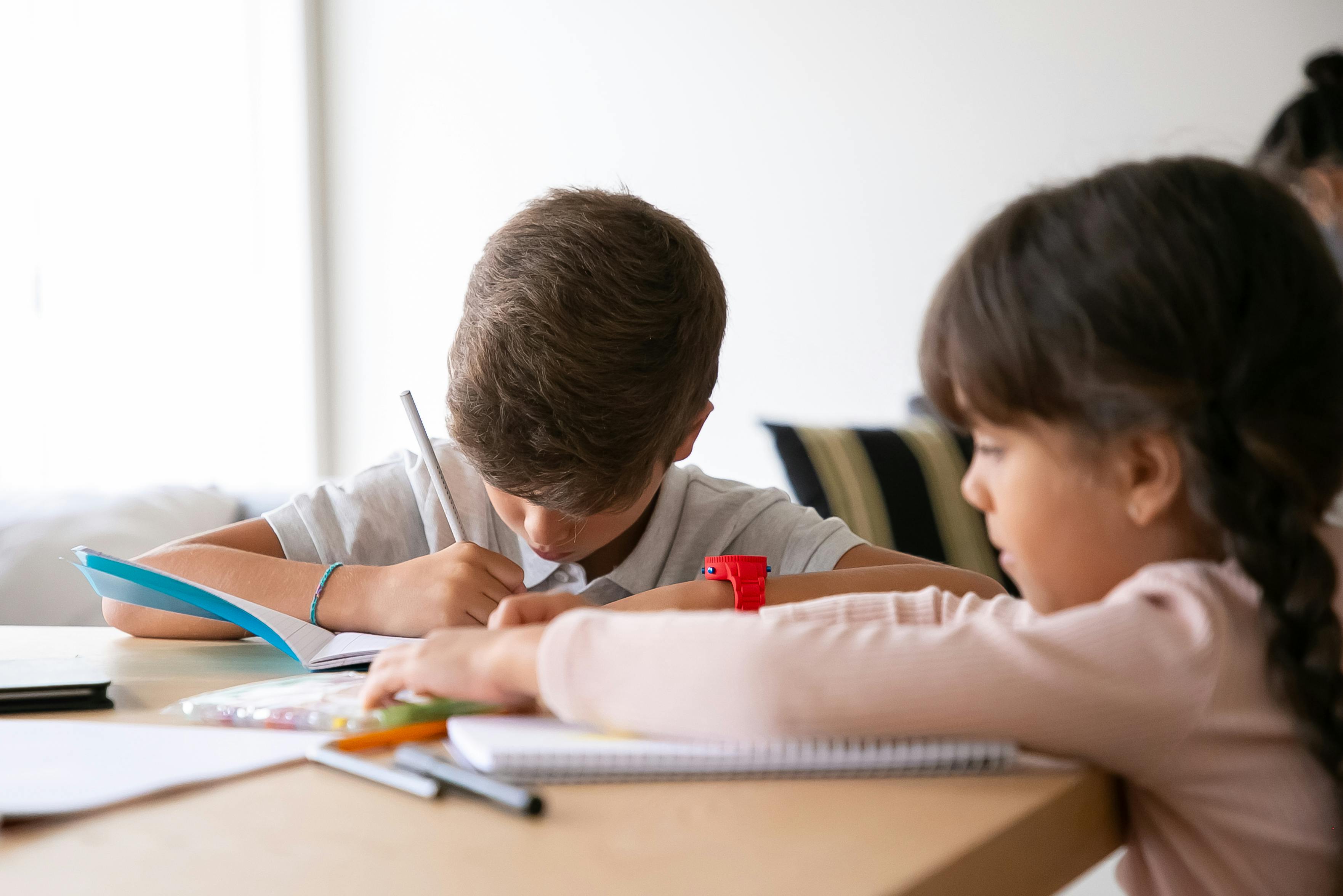
Understanding this natural progression explains why your child's scribbling behaviour is perfectly normal. Viktor Lowenfeld’s research identifies five distinct stages that most children pass through at predictable ages, though individual variation is common.
Scribbling Stage (12-24 months): In this phase, children make random marks for the sensory experience of movement. Their scribbles appear chaotic because they’re not trying to represent anything; they’re simply exploring cause and effect. The joy comes from watching marks appear as they move their arm. Children often look away while scribbling, focusing more on the physical sensation than the visual result.
Controlled Scribbling (2-3 years): Now, children make intentional marks and repeat movements that create patterns. You might notice circular motions, repeated lines, or attempts to fill spaces. This major cognitive leap shows they’re connecting their movements with the marks they create. They begin to watch their hand while drawing and may announce what they’re making, though the link between their words and their marks may not be obvious to adults.
Pre-Schematic Stage (3-4 years): You see the first recognisable shapes—circles, lines, and dots appearing with intention. Children might draw their first “person”—often a circle with lines extending from it. They’re starting to understand that marks can represent real-world things, though their drawings remain highly simplified and symbolic.
Schematic Stage (4-7 years): True representational drawing begins as children develop consistent ways to draw familiar objects. A house has the same basic features, people have consistent body parts, and spatial relationships become more logical. Many children now show interest in colouring within the lines as their visual-motor integration and planning skills mature.
Realistic Stage (7+ years): Children start noticing realistic details, proportions, and spatial relationships and attempt to reproduce them. They become more critical of their work and may feel frustrated when their drawings don’t match their mental image.
These stages provide a roadmap for realistic expectations, showing that demanding neat colouring from a 2-year-old is like expecting them to read chapter books—developmentally inappropriate and potentially harmful.
Why Fine Motor Skills Make Colouring Inside Lines Harder Than It Looks
Colouring within the lines requires a sophisticated blend of fine motor skills that develop gradually in early childhood. It demands precise finger movements, a stable wrist, sufficient grip strength, and smooth coordination between both hands—abilities still maturing in young children.
Hand strength develops from the core outward: children first control shoulder and arm movements before refining their finger dexterity. That’s why young children often swipe with their whole arm, making large, sweeping marks instead of controlled finger motions. Their small hand muscles simply aren’t strong enough yet for the precise control detailed work requires.
Pencil grip development follows a predictable path, from a whole-hand grasp to the mature tripod grip used by skilled writers. Pushing for the perfect grip too early can cause fatigue and frustration, as a child’s hand muscles aren’t yet ready to hold that position comfortably. This physical limitation directly affects their ability to colour precisely, no matter how hard they try.
Visual-motor integration—the coordination of vision and hand movements—also develops slowly. Children might see the lines clearly but struggle to guide their hand accordingly. This gap between perception and execution explains why a child may begin inside the lines but gradually drift outside.
Bilateral coordination—using both hands together—also affects colouring. One hand stabilises the paper while the other controls the crayon, a complex skill needing plenty of practice. Many young children haven’t developed this yet, so papers slide or arms get in each other’s way.
How Art Materials Shape Your Child's Mark-Making Journey
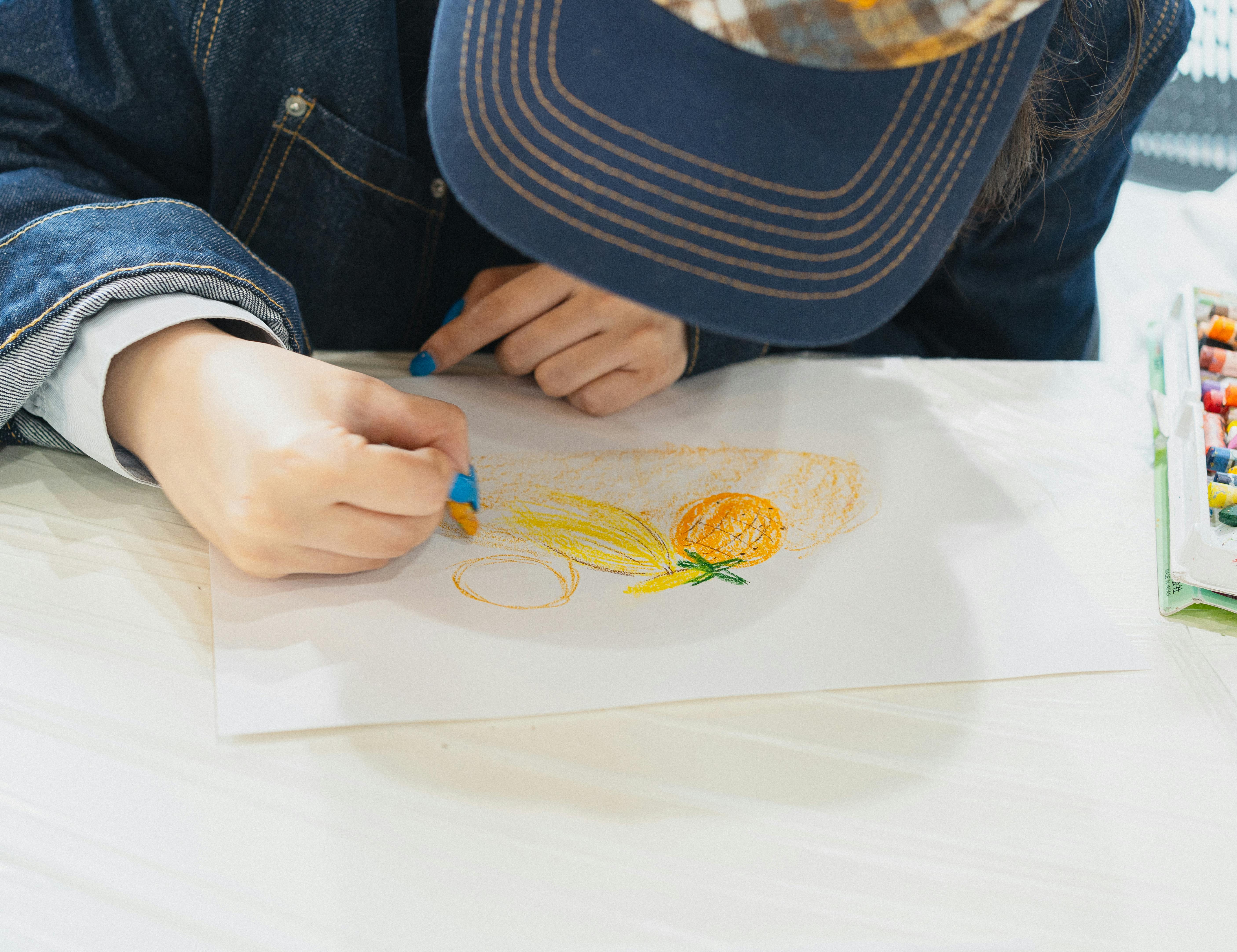
The tools you choose significantly influence your child's artistic development and success in mark-making. Large, thick crayons work well for developing hands: they need less precise grip strength and offer more surface for little fingers to grasp. Conversely, thin markers or pencils can frustrate children who haven't yet built strong finger control.
Paper size and texture matter more than many parents realise. Large sheets invite the broad arm movements young children prefer, whereas small colouring books can feel restrictive. Textured paper adds sensory feedback, helping children gauge pressure and develop proprioceptive awareness.
Digital colouring apps, though engaging, can't replace the developmental benefits of physical materials. Touchscreens lack the resistance feedback that builds hand strength and the grip development offered by traditional tools. That proprioceptive input—from pressing crayon to paper—is vital for cultivating the internal awareness behind skilled hand use.
Educational philosophies offer differing approaches to selecting materials. Montessori environments emphasise natural materials and child-sized tools for independent use. Reggio Emilia settings provide diverse, open-ended supplies to encourage experimentation and discovery. Both recognise that materials themselves guide children’s exploration and learning.
Rotate art supplies to keep interest high and challenge various skills. Paintbrushes promote different grips than crayons, and chalk delivers distinct sensory feedback. This variety fosters well-rounded motor development and keeps art activities fresh and engaging.
When Forcing Neat Colouring Backfires: Protecting Creativity and Confidence
Well-meaning attempts to encourage neat colouring can inadvertently harm a child's artistic confidence and natural development. When adults repeatedly correct scribbles or express disappointment in messy artwork, children learn that their natural expression isn't valued. This can lead to art avoidance, perfectionism, or reluctance to try new creative activities.
Cultural expectations around children's art often prioritise tidy, recognisable results over the creative process. This adult-centric view overlooks the true value of early artistic experiences, which lies in exploration rather than outcome. When children feel pressure to produce "good" art before they're developmentally ready, they may adopt restrictive behaviours that impede their progress.
Balancing creativity with control is delicate in early childhood. While some structure can help, an overemphasis on rules and precision can stifle the exploratory play that fuels development. Children who are constantly redirected to stay inside the lines may hesitate to take artistic risks or try new techniques.
Warning signs that colouring pressure is backfiring include reluctance to engage in art, statements like "I can't draw," excessive erasing or restarts, or seeking adult approval before making marks. These behaviours suggest the child has internalised negative messages about their abilities.
Instead of focusing on neat results, celebrate your child's effort, creativity, and enjoyment of the process. Phrases like "You used so many colours!" or "Tell me about your picture" support artistic development far more effectively than corrections or improvement suggestions.
Red Flags: When Scribbling Might Signal Developmental Concerns
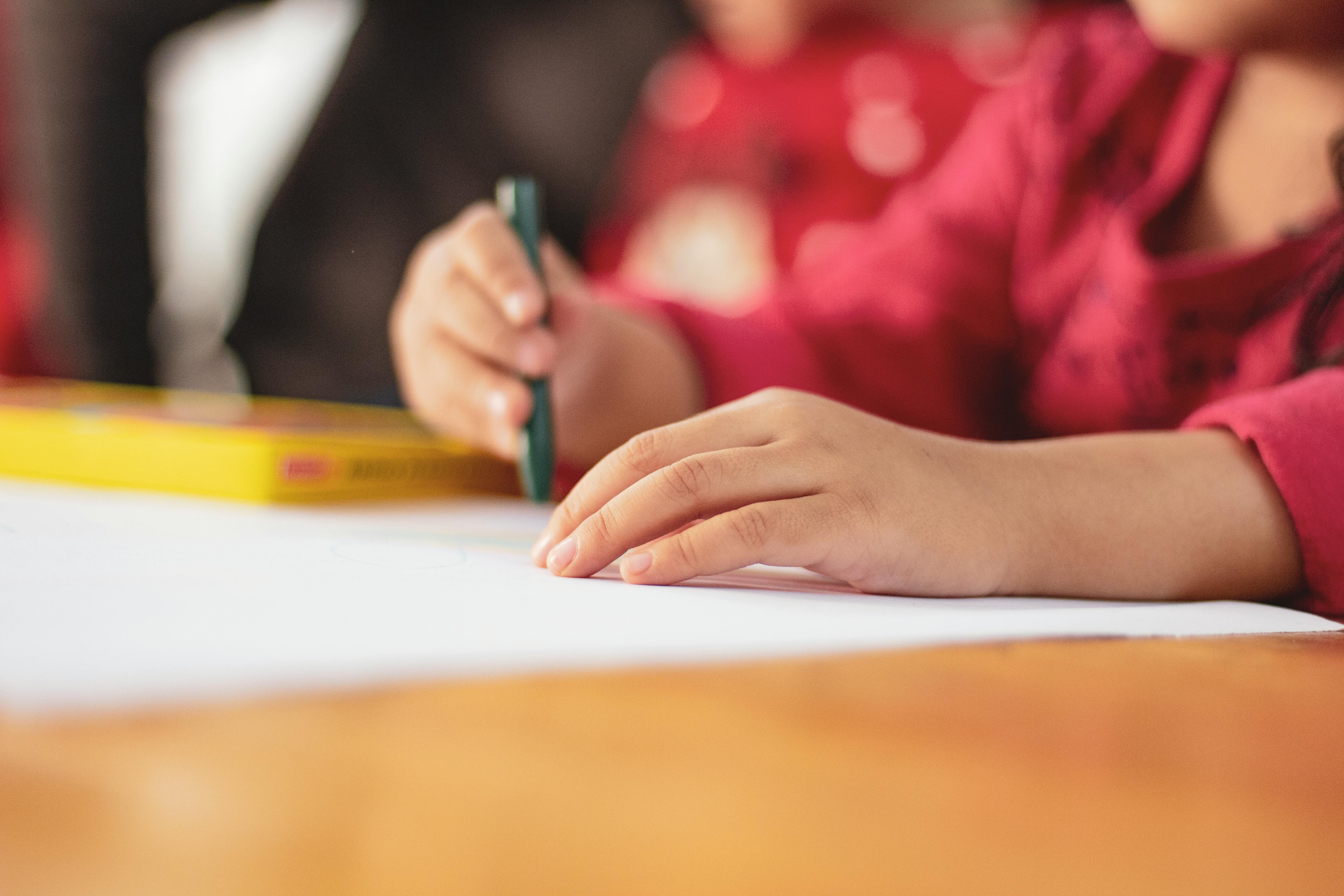
While artistic development varies widely, certain patterns may signal challenges that benefit from professional support. For example, persistent difficulty holding any writing tool after age 3, complete avoidance of mark-making, or significant hand tremors during drawing might warrant evaluation by an occupational therapist.
Sensory processing issues can influence how children respond to art materials. Some avoid messy textures, react strongly to crayons on paper, or press excessively hard. These sensory differences can affect their artistic growth and may improve with targeted support.
Fine motor delays that lag behind age norms—for instance, no controlled marks by 2½ or continued whole-hand grasping after age 4—may require professional assessment. Early intervention can address these challenges and help prevent secondary impacts on academic skills.
It’s important to distinguish individual preferences from developmental delays. Some children simply prefer other types of play or show less interest in art, which is perfectly normal. If concerns persist or you notice regression in skills your child once had, consulting a pediatrician or occupational therapist can offer valuable guidance.
Remember, professional evaluation doesn’t mean something is “wrong” with your child—it ensures they receive any support needed to reach their full potential. Identifying and addressing issues early often prevents minor challenges from becoming major obstacles.
Supporting Your Child's Artistic Development: Practical Strategies for Parents
Creating a supportive environment for artistic growth requires balancing encouragement with freedom for natural exploration. Provide regular access to art materials without demands for specific outcomes or adult expectations. Set up a designated art space where mess is acceptable and creativity can flourish.
Focus on process-oriented activities that build skills gradually. Simple games like "draw a line from here to there" or "make circles that fill the page" develop control without pressure to stay within boundaries. Personalised colouring books that feature your child as the main character can motivate children ready to work with boundaries, keeping them engaged.
Offer varied experiences that support different aspects of development: finger painting to build hand strength; drawing in sand to develop proprioceptive awareness; and large-scale activities like sidewalk chalk that encourage the big movements young children need.
When selecting materials and activities, consider your child's current developmental stage and interests. Age-appropriate creative gifts can introduce new challenges without overwhelming developing skills. Observe which materials and activities your child gravitates toward, and build on those preferences.
Document your child's artistic journey through photos or by saving favorite pieces. This creates a record of their development and shows that you value their creative efforts. Avoid comparing their work to others or to adult standards—every child's artistic path is unique and valuable.
Conclusion
Understanding why kids scribble instead of colouring reveals the remarkable developmental journey in your child's growing brain. Those messy marks reflect crucial neural development that supports future writing, reading, and beyond. Scribbling—whether in wide looping arcs or tight clusters of dots—helps fine-tune hand–eye coordination and strengthens the small muscles in little fingers. By embracing this progression and offering the right materials and encouragement, you're laying the foundation for lifelong creative expression and academic success.
Supporting your child's artistic development means celebrating their current abilities and providing opportunities for growth. Offer a variety of tools—chunky crayons for confident grasping, washable markers for bold experimentation, large rolls of paper taped to the wall for full-arm movement—and watch as your child explores shape and space. You might set up an outdoor chalk station or stock up on big pastel sticks to let them discover colour blending in action. Whether through everyday art activities or special personalised creative gifts, focus on the joy and learning inherent in the creative process rather than demanding adult-like results from developing minds and hands. In doing so, each thrilling swirl and daring dash becomes a step toward expressive, skilled artistry—and a confident young learner.
Frequently asked questions
Why does my 3-year-old refuse to colour inside the lines?+
They aren’t refusing—they’re simply not developmentally ready for that level of precision. At age three, children are still building fine motor skills, visual-motor integration, and hand strength for controlled mark-making. Expecting neat colouring now is like asking them to tie their shoes or write their name—skills that emerge later as their nervous system matures.
Is it normal for my child to scribble over colouring book pictures?+
Yes—it’s perfectly normal. Scribbling over pictures often reflects a child’s effort to interact with and "complete" an image. They might be adding personal touches, practising mark-making, or enjoying the sensory experience of covering a page with colour. This behaviour shows their creativity and confidence.
When should I be concerned about my child’s drawing development?+
You might seek professional guidance if your child shows no interest in making marks by 18 months, can’t hold a crayon by 2½ years, consistently avoids art activities, or regresses in skills they previously mastered. Keep in mind, however, that there’s a wide range of normal—some kids simply prefer other activities or develop drawing skills later.
Should I correct my child when they draw outside the lines?+
Avoid correcting marks made outside the lines—it can undermine confidence and interrupt natural development. Instead, praise their effort and creativity. To introduce boundaries, try activities like "fill this circle with colour" rather than traditional colouring books, so they can practice without pressure.
What art supplies are best for encouraging proper development?+
Large, thick crayons and big sheets of paper are ideal—they support natural arm movements and strengthen grip. Avoid thin markers or small colouring books that demand precision beyond their current abilities. Offer a variety of textures and tools, but ensure each is sized for small hands.
Create a personalised colouring book from £18.99
Your child as the star. Printed and delivered. Digital PDF included.
Start My Book