

Gifts That Encourage Creativity in Children: A Developmentally-Informed Guide Organized by Creative Skill
Looking for gifts that encourage creativity in children? This guide provides a developmentally-informed approach to choosing creative tools that foster imagination and problem-solving skills. Learn how to select gifts that meet children where they are developmentally, while providing room for growth and continued exploration over time.
Quick Summary
Looking for gifts that spark creativity in children? This developmentally informed guide organizes creative gifts by skill—visual arts, building, musical, storytelling, and dramatic play—instead of age, making it easier to choose presents that truly nurture imagination and creative thinking.
Why Creativity Matters in Childhood Development: The Science Behind Creative Play

Creative play isn't just fun—it's fundamental to healthy child development. Research consistently shows that children who engage regularly in creative activities develop stronger problem-solving skills, improved emotional regulation, and greater cognitive flexibility. Unlike entertainment toys that offer passive engagement, gifts that encourage creativity actively build neural pathways that support lifelong learning and innovation. MRI studies reveal that creative challenges light up brain regions for attention, memory, and emotion control simultaneously. When children invent a story or sketch a scene, they learn to organize ideas and self-regulate in real time.
Creative gifts differ significantly from purely entertaining ones in how they engage young minds. Entertainment toys often have predetermined outcomes, while creative tools offer open-ended possibilities that allow children to express their unique perspectives and ideas. This distinction matters because creativity requires practice and the freedom to explore without rigid guidelines or "correct" answers. Open-ended gifts—like modular building kits, oversized sketch pads, or storytelling dice—encourage children to plan, experiment, and adapt when first attempts fall short. This hands-on trial-and-error cultivates divergent thinking and resilience.
When selecting creative gifts, it's essential to recognize that creative development follows predictable patterns. Toddlers explore through sensory experiences and basic mark-making, while school-age children can tackle more complex projects requiring sustained attention and skill development. The most effective creative gifts meet children at their developmental stage and offer room for growth and continued exploration. Toddlers benefit from sensory-rich materials such as non-toxic finger paints or textured play dough for basic color and shape exploration. School-age kids thrive with advanced kits—watercolor sets, introductory sewing projects, or beginner robotics—that match their fine motor growth and capacity for longer projects.
How to Choose Creativity-Boosting Gifts: A Developmental Framework
Selecting creativity-enhancing gifts means understanding five criteria that set meaningful tools apart from ordinary toys. First, look for open-ended possibilities—materials that can be used in multiple ways without predetermined outcomes. Second, prioritise materials that invite experimentation over strict instructions. Third, choose tools that allow personal expression and individual interpretation. Fourth, seek gifts that encourage process over product by valuing the creative journey more than the final result. Finally, pick items that grow with the child, offering increasing complexity as skills develop.
Balancing open-ended and structured tools is essential. Materials like clay or blank drawing paper offer unlimited possibilities but can overwhelm children who need gentle guidance. Structured kits that teach specific techniques build confidence and skills while still encouraging personal expression within a framework. The ideal approach combines both, providing structure when children need support and freedom when they’re ready to explore independently.
Matching gifts to a child's developmental stage and interests requires both observation and conversation. Notice what captures their attention during everyday activities—do they build with blocks, make up stories, or move to music? These natural inclinations often reveal their creative passions. Also consider fine motor skills, attention span, and tolerance for frustration when choosing age-appropriate creative challenges.
Beware of "creative" gifts that actually limit imagination. Themed kits that yield identical results, toys with excessive electronic features that replace child-driven play, and materials that prioritise entertainment over exploration can stifle rather than nurture creativity. Aim for gifts that expand rather than constrain creative possibilities.
Gifts for Visual and Artistic Creativity: Beyond Basic Art Supplies
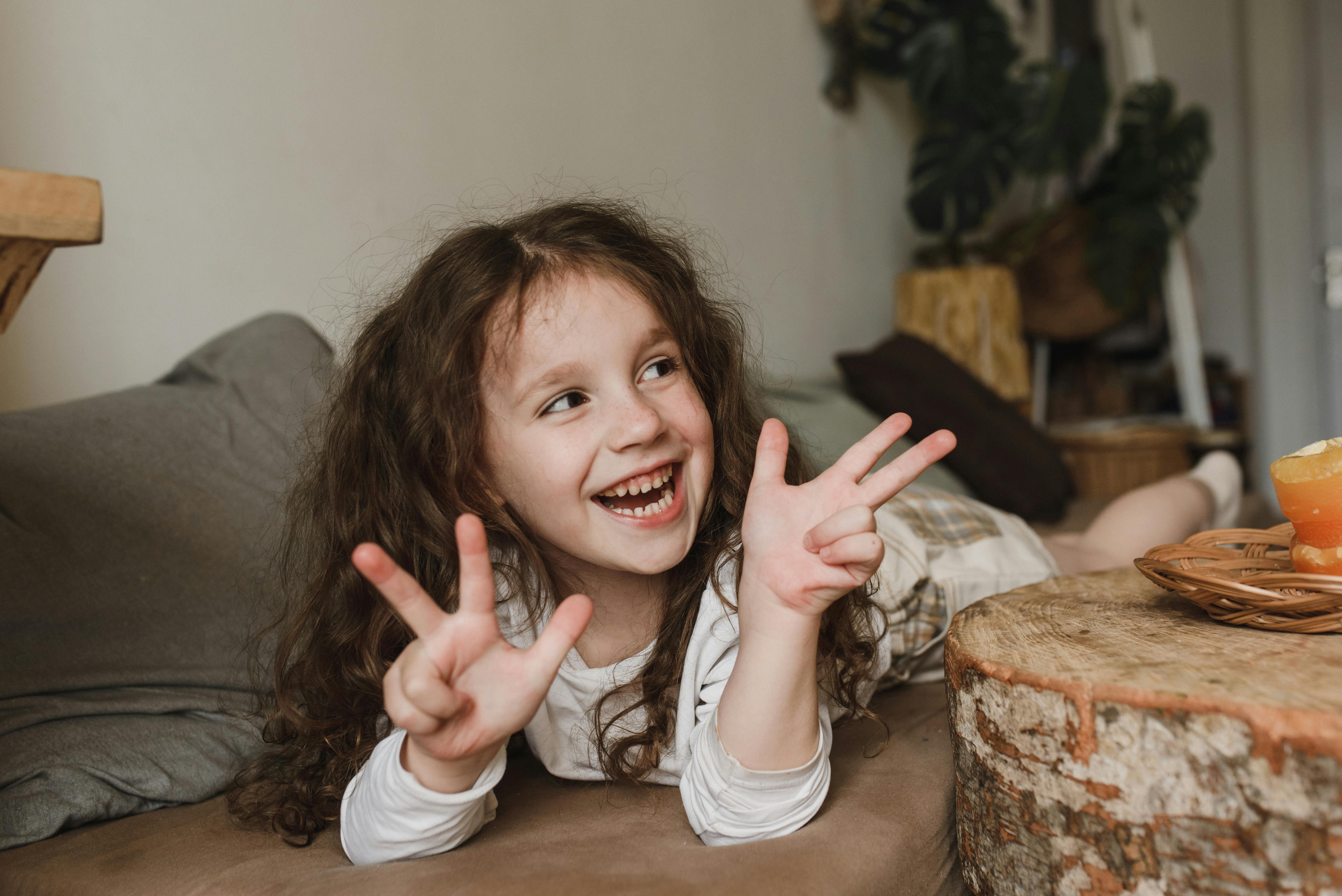
Traditional art supplies remain creativity staples, but modern options add exciting twists that reignite artistic passion. Watercolour pencils that bloom with water, markers that change colour when layered, and erasable crayons that invite experimentation without fear of mistakes all offer fresh ways to create. These tools preserve the tactile joy of hands-on art while adding surprise and discovery.
Digital and hybrid art tools bridge classic and contemporary creativity. Light tables for tracing and layering, digital drawing tablets designed for young artists, and augmented‐reality colouring books that bring drawings to life introduce new dimensions to expression. These tools complement traditional supplies and expose children to the digital art tools they'll encounter throughout their lives.
Personalised art experiences foster a deeper connection to creative activities. Personalised colouring books featuring a child's name, family, or favourite themes spark immediate engagement and investment. Custom art kits built around specific passions—dinosaurs, space exploration, or fairy tales—show how art can link to anything they love.
Three-dimensional art materials expand creativity beyond flat surfaces. Air-dry clay, sculpting tools, wire armatures, and mixed-media supplies for textured artwork challenge children to think spatially and explore new ways of working with their hands. These materials develop fine motor skills while encouraging experimentation with form, texture, and dimension.
Art kits that teach techniques while encouraging exploration strike the ideal balance between instruction and creativity. Printmaking sets, child-sized pottery wheels, weaving looms sized for children, and batik or tie-dye kits introduce traditional art forms yet leave room for personal interpretation. These kits build technical skills that enhance rather than restrict creative expression.
Gifts for Building and Spatial Creativity: Engineering Young Minds
Construction sets that spark original designs—rather than step-by-step instructions—boost spatial intelligence and engineering thinking. Magnetic building tiles, uniquely shaped wooden blocks, and endlessly recombinable modular systems challenge children to envision and build three-dimensional structures. These gifts foster spatial reasoning skills vital for math, science, and engineering.
Architectural and engineering challenge kits embed real-world design principles in playful projects. Bridge-building sets test structural integrity, scaled architectural drawing tools inspire budding designers, and iterative engineering challenges promote systematic thinking without sacrificing fun. These kits show that creativity and logic work hand in hand.
Magnetic and modular building systems offer unique benefits for spatial creativity. Magnetic tiles enable gravity-defying constructions that invite exploration of balance, structure, and design principles. Modular sets with multiple connection points challenge conventional ideas of how pieces fit together.
Natural building materials and loose parts bring creativity into the physical world. Wooden pieces in diverse shapes, shells, stones, and other natural objects invite freeform building and pattern-making. Such open-ended materials build classification skills, pattern recognition, and spatial awareness—and connect children to natural textures and forms.
Gifts that develop spatial reasoning and problem-solving skills pave the way for STEM learning through creative play. Gear sets illustrate mechanical principles; simple robotics kits respond to programming; and construction challenges demand planning and revision. Together, they blend engineering thinking with creative expression.
Gifts for Musical and Auditory Creativity: Developing Sound Explorers
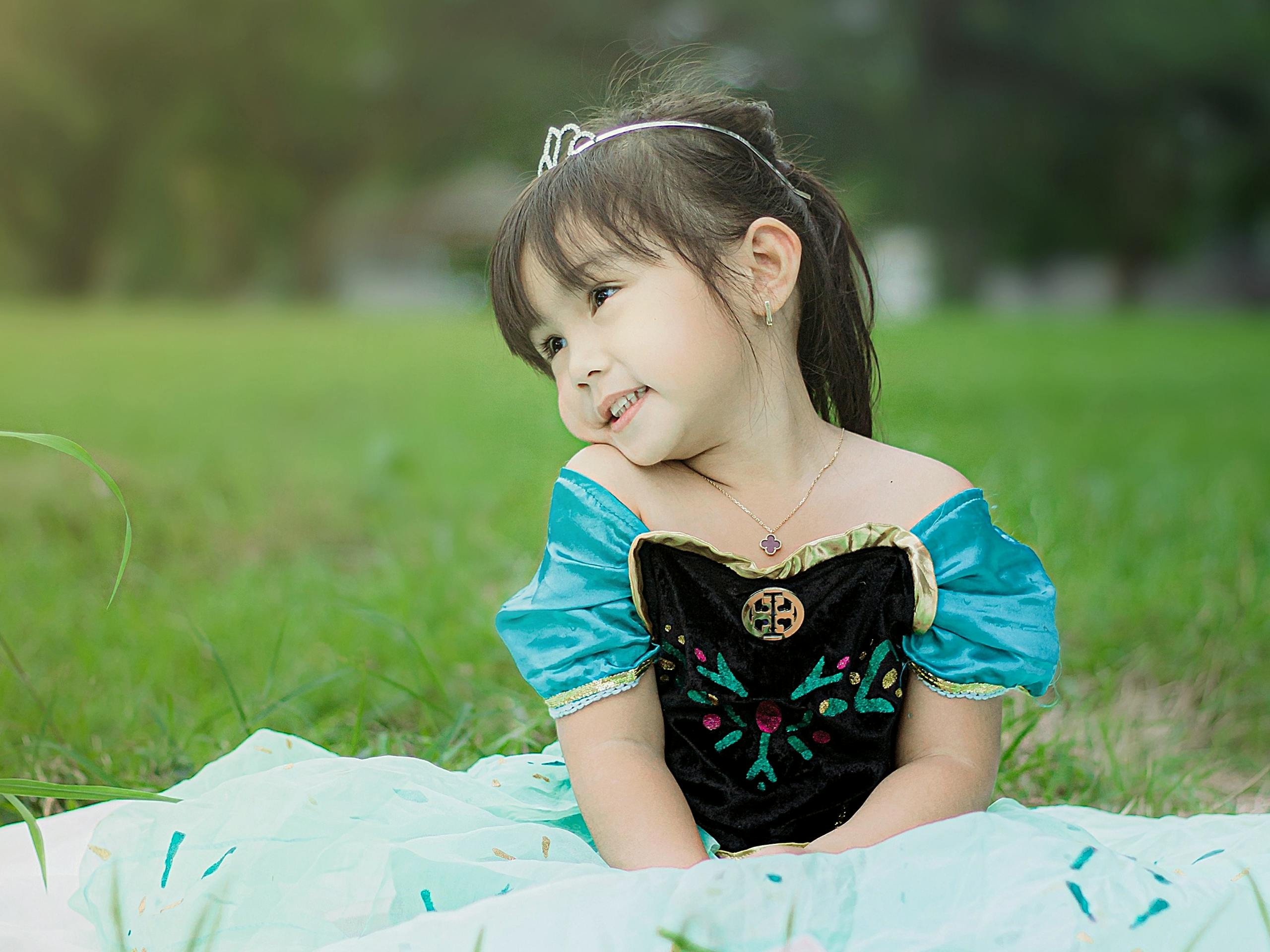
Choosing between real and toy instruments depends on a child’s age, interests, and developmental readiness. Real instruments—like small ukuleles, keyboards, simple percussion sets, or recorders—offer authentic sound experiences that grow with their skills. Toy instruments suit very young children who need durable, simplified interfaces; transition to real instruments as they show sustained interest and improved motor control.
Music creation apps and digital tools designed for children open new possibilities for composition and arrangement. Child-friendly recording software, simple beat-making apps, and touch- or movement-responsive digital instruments let children experiment with layering sounds, creating rhythms, and exploring musical concepts without requiring traditional instrumental skills.
Sound exploration and recording equipment encourages children to notice and capture the audio world around them. Simple recording devices, sound-collection games, and sound-effect kits sharpen listening skills and spark creativity. These tools help children discover that music and interesting sounds exist everywhere in their environment.
DIY instrument making kits combine crafting with music creation, teaching children that instruments are tools they can understand and modify. Kits for building simple drums, string instruments, or wind instruments show how sound is produced while creating personalized musical tools. This hands-on approach demystifies music-making and encourages experimentation with sound production.
Rhythm and movement-based musical gifts acknowledge that musical creativity involves the whole body. Dance scarves that respond to movement, rhythm sticks for creating beats, and movement games that combine music with physical expression support kinesthetic learners while developing musicality and coordination.
Gifts for Storytelling and Narrative Creativity: Fostering Young Authors
Story creation tools and prompt generators provide structure for budding narrators without limiting creativity. Story dice featuring images, prompt cards suggesting characters or scenarios, and guided journals with writing exercises help children conquer the blank page and spark original ideas. These resources show that stories can begin anywhere and take surprising turns.
Personalised story books where the child becomes the main character create immediate investment in narrative while teaching story structure. When children see themselves as protagonists, they grasp character motivation, plot development, and narrative voice. This personal connection often inspires them to write original stories starring themselves or invented characters.
Comic and graphic novel creation kits bring visual storytelling to life for children who think in pictures as well as words. Blank comic templates, drawing guides for characters and dialogue, and examples of various styles demonstrate how text and illustration combine. These kits especially engage reluctant writers who prefer visual expression.
Puppet and theatre sets bring stories to life through play. Hand puppets, marionettes, simple stage setups, and costume pieces let children embody different characters and act out tales they’ve heard or invented. This hands-on storytelling builds confidence in oral expression and reinforces narrative understanding.
Child-friendly digital storytelling platforms let kids craft multimedia narratives without tech overwhelm. Simple animation software, digital book creation tools, and platforms that combine drawing with recording help children weave movement, sound, and interactive elements into their stories.
Writing journals and creative accessories make story creation feel special. Beautiful notebooks, fun pens and pencils, illustrative stickers, and portable writing kits all signal that writing is a valued creative activity deserving of the right tools.
Gifts for Dramatic and Pretend Play: Building Confidence Through Character

Costume and dress-up collections that inspire role play go beyond simple disguises, encouraging character development and storytelling. Instead of random outfits, choose themed sets—historical figures, community helpers, or fantasy characters—that support sustained imaginative play. High-quality pieces that feel authentic enhance the experience and stand up to repeated use.
Theatre and performance kits provide structure for dramatic expression and encourage original interpretation. Child-scaled lighting, backdrop materials, and how-to guides for staging shows teach kids that performance involves planning and collaboration—while still allowing creative freedom.
Character-creation and puppet-making supplies let children craft their own play materials instead of relying on pre-made options. Felt, puppet-specific craft supplies, and illustrated guides for simple techniques help kids build characters that match their visions—and deepen their investment in play.
Stage and backdrop materials extend play beyond costumes to full production design. Oversized cardboard for sets, fabric for curtains, and child-safe construction tools show kids that dramatic play includes visual design and technical problem-solving as well as character development.
Age-Appropriate Creative Gifts: Matching Development to Opportunity
Toddlers aged 2–3 thrive with gifts that emphasize sensory exploration and basic mark-making. Large crayons that build grip strength, washable markers for worry-free experimentation, textured materials for tactile play, and simple musical instruments responding to basic motor movements all suit their developmental stage. At this age, the process matters more than the product—gifts should prioritize safe exploration over skill mastery.
Preschoolers aged 4–5 are ready for symbolic play and simple construction tasks requiring basic planning and execution. Building sets with larger, easy-connecting pieces; art supplies for more detailed work; simple instruments that produce clear sounds; and dramatic-play materials for elaborate pretend scenarios all align with their growing attention spans and fine-motor skills. For specific gift recommendations for preschoolers, look for options that challenge without overwhelming.
School-age children from 6–8 can tackle more complex, multi-step projects that demand sustained focus and skill development. Think multi-stage art kits, construction challenges needing planning and revision, melody-capable instruments, and writing tools for longer stories. At this stage, kids can follow instructions while still bringing personal creativity and expression.
Tweens aged 9–12 are ready for independent creation and advanced techniques approaching adult complexity. Professional-quality art supplies sized for young hands, building sets that mirror real engineering problems, genuine musical instruments over toy versions, and sophisticated storytelling tools for novel-length narratives respect their growing expertise and keep the creative challenge high.
Gifts that grow with children over years deliver the best value and engagement. Modular systems that expand, art supplies designed for replenishment and upgrades, instruments that support advancing skill levels, and creative software with increasing complexity all adapt to each stage while maintaining relevance and challenge.
Conclusion
Choosing gifts that genuinely encourage creativity requires understanding child development and the difference between entertaining and truly engaging activities. For example, an open-ended art kit with a range of papers, paints, and collage materials can spark deeper exploration than a prepackaged paint-by-numbers set. By focusing on the kind of creativity you want to nurture—visual, spatial, musical, narrative, or dramatic—you can choose meaningful gifts that grow with the child and offer an ongoing creative challenge. A sketchbook with stencils, a set of magnetic building tiles, a beginner ukulele kit, or a tabletop puppet theatre each targets a different creative skill set.
The most effective creative gifts often combine multiple modalities and can be used in unexpected ways as children's interests evolve. A DIY electronics set with snap-together circuits might become both a science lesson and a light-up sculpture project; building blocks can double as characters in a homemade stop-motion film. Whether you're shopping for birthdays, holidays, or special occasions, consider personalised Christmas gifts that encourage creativity that align with a child's interests and foster their natural creative abilities—think an engraved wooden toolbox for young inventors or a custom storybook featuring their name.
Investing in creativity-fostering gifts pays dividends far beyond childhood—building problem-solving skills, emotional intelligence, and innovative thinking that last a lifetime. Children learn to embrace trial and error, collaborate with peers, and adapt ideas as they experiment, strengthening resilience and confidence. Choose gifts that respect children's creative instincts and provide the tools and materials to explore, experiment, and express their unique perspectives on the world.
Frequently asked questions
What's the difference between educational toys and creativity-fostering gifts?+
Educational toys have predetermined learning objectives and specific "correct" uses, whereas creativity-fostering gifts offer open-ended materials that children can use in countless ways, following their imagination and interests. These gifts prioritise process and exploration over specific educational goals.
How can I tell if a gift will actually encourage creativity or just provide temporary entertainment?+
Look for gifts that can be used in multiple ways, have no set outcomes, allow personal expression, and encourage experimentation. Avoid toys with excessive electronic features that do the creating, highly specific themes that limit imagination, or materials that yield identical results regardless of the child's input.
Should I choose gifts based on what the child already enjoys or try to introduce new types of creativity?+
Combining both works best. Build on current interests to deepen engagement and confidence, and occasionally introduce new creative modalities that could spark fresh passions. Watch for the child's natural inclinations and developmental readiness when offering unfamiliar tools.
How much should I spend on creativity-encouraging gifts to ensure quality?+
Price doesn't always reflect creative value. Many effective gifts—high-quality paper, basic art supplies, simple building materials—are relatively inexpensive. Focus on materials that withstand repeated use, offer genuine creative possibilities, and suit the child's developmental stage instead of opting for the priciest option.
What if the child doesn't immediately engage with a creative gift I've chosen?+
Creative engagement often develops over time and may need adult modeling or gentle encouragement. Store the gift and try again later when it better matches the child's interests or developmental stage. Kids sometimes need time to warm up to new creative possibilities, especially if they’re used to more structured toys.
How can I support the child's creative engagement once they receive the gift?+
Create dedicated time and space for creativity; participate alongside the child without taking over; ask open-ended questions instead of evaluative comments; and display or celebrate their work to show that the process matters more than the product.
Create a personalised colouring book from £18.99
Your child as the star. Printed and delivered. Digital PDF included.
Start My Book