Best Non-Toxic Crayons for Kids by Age: Brands, Wax Types & Safety Certifications Compared
Choosing the best non-toxic crayons for kids requires understanding age-specific needs, safety certifications, and wax material differences. Our guide compares top brands across age groups and provides cost-per-crayon analysis to help parents make informed decisions about crayon safety.
Quick Summary
Choosing the best non-toxic crayons for kids involves balancing age-appropriate needs, safety certifications, and wax materials. This guide compares leading brands by age group, clarifies certification limitations, and breaks down cost per crayon to help parents make informed safety decisions.
What Makes a Crayon 'Non-Toxic': Understanding Ingredients and Safety Claims
Because "non-toxic" isn’t legally standardized on crayon packaging, parents must look beyond surface claims. Truly non-toxic crayons avoid petroleum-based paraffin wax, heavy-metal synthetic dyes, and chemical additives that could pose health risks during normal use or accidental ingestion.
The biggest concerns are heavy metals like lead, chromium, and cadmium—sometimes found in synthetic colorants. Research on toxic elements in children's crayons shows some commercial crayons contain measurable levels of these substances, although typically below regulatory thresholds.
Look for ingredient lists that specify natural waxes—beeswax, soy wax, or carnauba wax—paired with food-grade colorants. True transparency means brands name specific wax sources and colorant types rather than using vague terms like "natural ingredients." The safest crayons use mineral-based pigments and avoid synthetic dyes entirely, though that can limit color vibrancy—a trade-off many safety-conscious parents happily accept.
Safety Certifications Decoded: What ASTM D-4236, AP Seal, and EN 71 Actually Test (And What They Don't)
Understanding safety certifications helps parents distinguish meaningful testing from marketing claims. ASTM D-4236, the most common certification, evaluates art materials for acute toxicity but has significant limitations.
ASTM D-4236 focuses on short-term exposure risks and mandates labeling of potentially harmful ingredients. It doesn’t assess long-term effects or every contaminant. The Consumer Product Safety Commission requires this certification for art materials sold in the US—but passing doesn’t guarantee complete safety for prolonged or repeated use.
The AP (Approved Product) Seal from the Art & Creative Materials Institute goes further: it certifies that products contain no materials in quantities sufficient to be toxic or injurious to humans, including children. This voluntary program involves more rigorous testing than ASTM D-4236 alone.
European EN 71 standards are often stricter than US requirements—particularly for heavy metals. Products meeting EN 71 usually provide extra safety assurance, though availability varies by brand and region.
Importantly, no certification specifically tests for mouthing behavior in toddlers or evaluates allergen risks for sensitive children. Parents of very young children should factor in these gaps when choosing products.
Crayon Materials Compared: Beeswax vs Soy Wax vs Plant-Based Options
Material choice significantly impacts both safety and performance, with each wax type offering distinct advantages and trade-offs that parents should understand before purchasing.
Beeswax crayons represent the gold standard for safety and durability. Natural beeswax provides excellent color binding and creates vibrant, long-lasting marks. These crayons typically cost $0.75-$1.50 per crayon but offer superior durability and the highest safety profile for mouthing. Brands like Honeysticks and Stockmar use pure beeswax with food-grade colorants, making them safe even if partially consumed. The main drawback is higher cost and sometimes limited color selection.
Soy wax crayons offer an eco-friendly alternative with good safety credentials and softer application. They typically cost $0.40-$0.80 per crayon and provide smooth color application, though they may break more easily than beeswax options. Soy wax biodegrades faster than petroleum wax and creates less environmental impact during production.
Plant-based alternatives using carnauba wax or other botanical sources provide middle-ground options. These materials offer good safety profiles while maintaining reasonable costs ($0.50-$1.00 per crayon). However, performance varies significantly between brands, with some offering excellent color payoff and others producing lighter, less vibrant results.
For comparison, traditional petroleum wax crayons cost significantly less ($0.10-$0.25 per crayon) but raise concerns about chemical exposure during normal use. While major brands like Crayola meet safety standards, the Children's Hospital of Philadelphia notes that natural wax alternatives provide additional safety margins for children who frequently mouth art supplies.
Material choice affects durability, with beeswax crayons typically lasting 3-4 times longer than soy or plant-based alternatives, partially offsetting their higher initial cost.
Best Non-Toxic Crayons for Toddlers (Ages 1-3): Safety-First Picks
Toddler crayons must prioritize safety—toddlers tend to mouth everything, and designs need to be unbreakable to suit developing motor skills.
Honeysticks Pure Beeswax Crayons stand out with a chunky, rounded design that can’t break and is safe if mouthed. At $1.25 per crayon, they’re pricier but worth it for worry-free creativity. Made from 100% beeswax with food-grade pigments, parents can relax about the occasional taste test. Their ergonomic shape helps toddlers develop a proper grip, and the smooth application keeps little artists engaged.
Crayola My First Palm Crayons provide a budget-friendly alternative at $0.35 each. These egg-shaped sticks use traditional petroleum wax and meet all safety standards, while the washable formula makes cleanup a breeze. Although synthetic, they still require some supervision.
Eco-Kids Eco-Crayons hit the sweet spot at $0.65 per crayon. Blended from soy and beeswax, their triangular shape prevents rolling and delivers rich color. The natural wax base adds an extra safety margin without breaking the bank.
For utmost safety, Filana Beeswax Block Crayons ($0.95 each) combine organic beeswax and natural pigments. Their block shape sparks creative mark-making and eliminates choking hazards entirely.
Best Non-Toxic Crayons for Preschoolers (Ages 3-5): Balancing Safety and Creativity
Safety aside, engagement at this age depends heavily on what is being coloured. Preschoolers who lose interest in generic scenes often stay with it longer when they recognise themselves on the page, which is the premise behind personalised colouring books.
Preschoolers need crayons that are safe and inspire creativity as their fine motor skills develop and artistic interests mature.
Stockmar Stick Crayons excel in this stage, striking an ideal balance of safety and performance. At $0.85 each, they deliver vibrant color using natural beeswax and pure pigments. Their ergonomic shape encourages different grip styles, and the intense pigments inspire longer creative sessions. They blend beautifully and work smoothly on various paper types.
Crayola Ultra-Clean Washable Crayons cost $0.25 each and offer ease for busy families. Made with petroleum wax, they wash off skin, fabric, and walls—a key feature as preschoolers test limits. Their standard size also fosters a school-ready grip.
Honeysticks Natural Crayons (regular size) combine the classic crayon shape with premium safety at $0.75 each. The 16-color set offers enough range for complex artwork while retaining the beeswax safety parents trust, making them ideal for artists ready for more detailed work.
Preschoolers benefit from expanded color palettes that nurture their creativity, making them perfect candidates for complete gift ideas for this age group that encourage artistic development.
Best Non-Toxic Crayons for School-Age Kids (5+): Performance Meets Safety
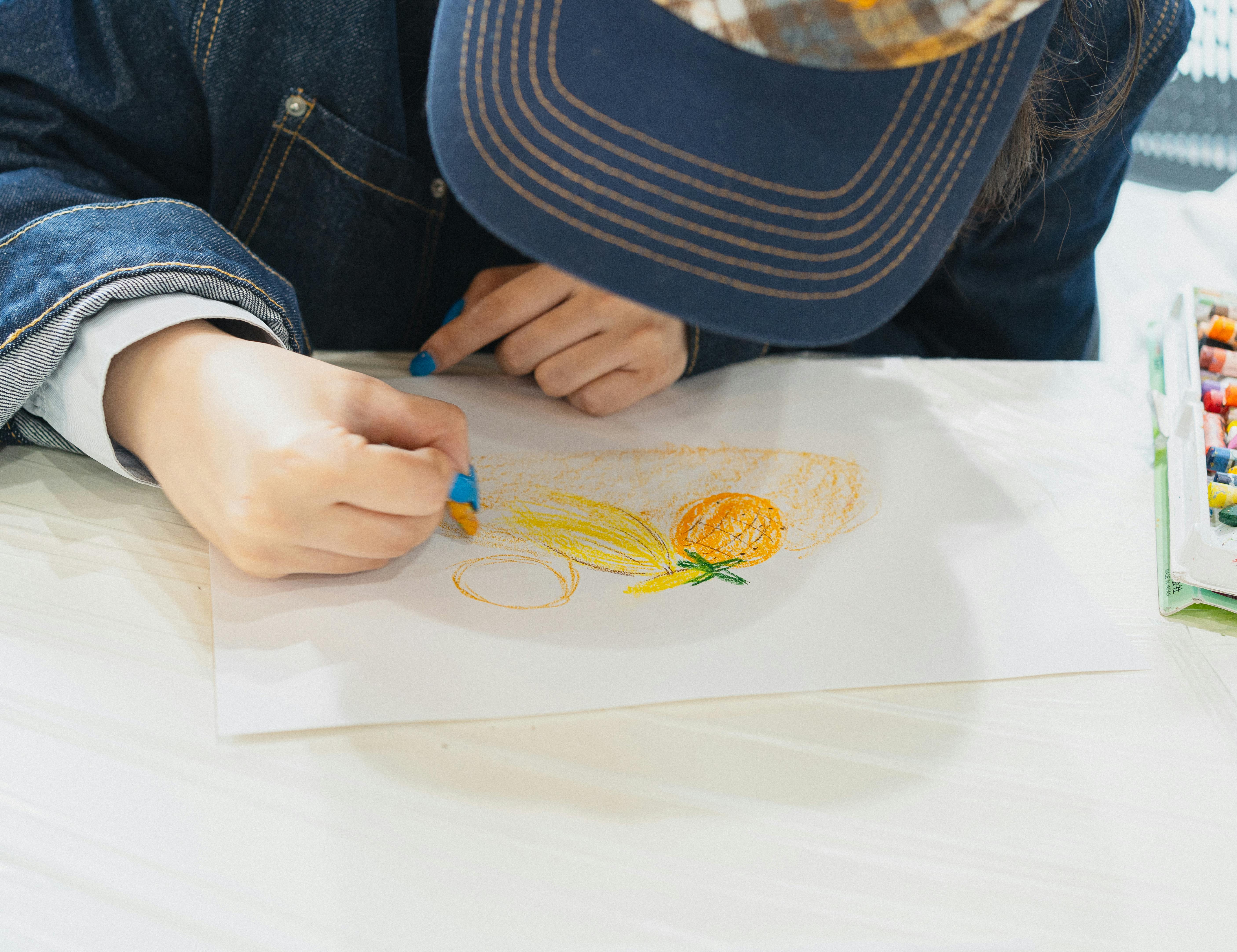
School-age children can handle regular-sized crayons while benefiting from enhanced features that support more sophisticated artwork and classroom requirements.
Lyra Ferby Crayons represent premium performance with natural wax composition and triangular ergonomic design. At $1.10 per crayon, they're expensive but offer professional-grade color intensity and exceptional durability. The triangular shape promotes proper grip development while the break-resistant formula withstands classroom use.
Crayola Construction Paper Crayons provide excellent value at $0.30 per crayon for children working on dark or colored papers. While using petroleum wax, they offer vibrant opacity and specialized performance that natural alternatives sometimes lack.
Mercurius Natural Wax Crayons deliver beautiful, translucent colors using beeswax and natural pigments at $0.65 per crayon. These work exceptionally well for layering and blending techniques that older children enjoy exploring.
Stabilo Woody 3-in-1 crayons offer versatility as crayon, watercolor, and wax pastel combined. At $1.50 per crayon, they're expensive but eliminate the need for multiple art supplies while maintaining reasonable safety credentials through European EN 71 certification.
Price Comparison: Cost-Per-Crayon Analysis Across Top Non-Toxic Brands
Understanding true value requires comparing cost-per-crayon alongside durability and safety features, helping parents balance budget constraints with safety priorities.
| Brand | Cost Per Crayon | Wax Type | Durability Score | Safety Rating | |-------|----------------|----------|------------------|---------------| | Honeysticks | $0.75-$1.25 | 100% Beeswax | Excellent | Premium | | Stockmar | $0.85 | Beeswax | Excellent | Premium | | Filana | $0.95 | Organic Beeswax | Very Good | Premium | | Eco-Kids | $0.65 | Soy/Beeswax Blend | Good | High | | Lyra Ferby | $1.10 | Natural Wax | Excellent | High | | Crayola Ultra-Clean | $0.25 | Petroleum Wax | Good | Standard | | Crayola Construction | $0.30 | Petroleum Wax | Good | Standard |
Premium natural wax crayons cost 3-5 times more than conventional options but typically last 2-3 times longer, reducing the actual cost difference. For families prioritizing safety, the $0.50-$0.75 additional cost per crayon provides significant peace of mind.
Budget-conscious families can achieve good value with mid-tier options like Eco-Kids, which offer natural ingredients at moderate pricing. Buying larger sets often reduces per-crayon costs by 15-25% across all brands.
Are Regular Crayola Crayons Safe? Addressing the Most Common Parent Question
Standard Crayola crayons meet all required safety certifications and pose minimal risk during normal use, but parents often wonder whether upgrading to premium natural alternatives provides meaningful safety benefits.
Crayola crayons carry ASTM D-4236 certification and AP Seal approval, indicating they've passed rigorous safety testing for their intended use. The Crayon Rocks safety documentation confirms that major crayon brands generally meet baseline safety requirements, though material differences affect long-term exposure considerations.
For occasional use and children past the intensive mouthing stage, regular Crayola crayons provide adequate safety with practical benefits like washability and wide availability. However, parents of toddlers who frequently mouth art supplies, children with sensitivities, or families prioritizing natural products may find the upgrade to beeswax or soy-based alternatives worthwhile.
The key difference lies in safety margins rather than absolute safety. Natural wax crayons provide additional protection against potential risks while traditional petroleum-based options meet regulatory minimums. This distinction becomes more important with younger children or extended daily use.
Conclusion
Selecting the best non-toxic crayons requires balancing age-appropriate safety features, material preferences, and budget considerations. While premium natural wax options provide maximum safety margins, mid-tier alternatives often deliver excellent value for most families.
Remember that the safest crayon is one your child enjoys using under appropriate supervision. Consider pairing quality crayons with personalised colouring books to create engaging, safe creative experiences that support your child's artistic development while providing peace of mind about material safety.
Frequently asked questions
How do I know if my child is having an allergic reaction to crayons?+
Watch for skin redness, rashes around the mouth or hands, or respiratory symptoms during or after crayon use. Natural wax crayons reduce allergen risks, but any persistent symptoms warrant pediatric consultation and switching to hypoallergenic alternatives.
Can toddlers safely eat pieces of beeswax crayons?+
While pure beeswax crayons with food-grade colorants are generally safe if small amounts are consumed, they're not food products. Supervise young children and contact your pediatrician if significant amounts are ingested, even with natural products.
Do washable crayons contain more chemicals than regular crayons?+
Washable formulations typically include additional surfactants and binding agents to enable easy cleanup. While these ingredients pass safety testing, parents prioritizing minimal chemical exposure may prefer basic natural wax formulations over washable varieties.
How long do natural wax crayons last compared to regular crayons?+
Beeswax crayons typically provide 2-3 times more usage than petroleum-based crayons due to harder wax consistency and denser pigment loading. This improved durability partially offsets their higher initial cost over time.
What's the best way to test new crayons with my child?+
Start with a small set and observe your child's reaction during initial use sessions. Try the crayons on [free coloring pages](/free-unicorn-coloring-pages) to test color quality and application before investing in larger sets.
Are expensive natural crayons worth the cost for occasional use?+
For light, supervised use with older children, mid-tier options like soy-based crayons provide good value. Premium beeswax crayons justify their cost for heavy use, young children, or families prioritizing natural products above cost considerations.
Create a personalised colouring book from £18.99
Your child as the star. Printed and delivered. Digital PDF included.
Start My Book